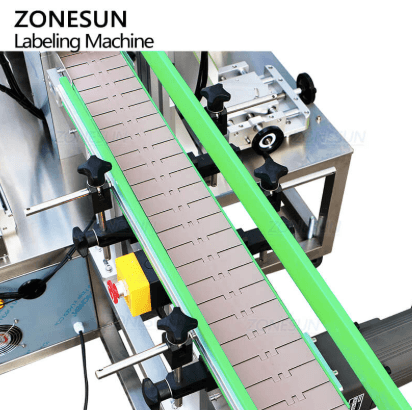
In modern manufacturing and packaging industries, precision and speed are essential for maintaining product quality and brand consistency. One of the most critical components in the packaging line is the round bottle labeling machine, which ensures that every container receives a perfectly aligned, durable, and visually appealing label. Whether in food and beverage, pharmaceuticals, cosmetics, or chemicals, accurate labeling directly impacts product identity, regulatory compliance, and consumer trust.
A high-performance bottle labeling machine is not just a piece of equipmentit is a strategic investment that improves production efficiency, reduces human error, and enhances overall packaging aesthetics. This article explores everything you need to know about bottle labeling systems, including their types, working principles, advantages, applications, and selection criteria.
What is a Bottle Labeling Machine?
A bottle labeling machine is an automated or semi-automated system designed to apply labels onto bottles of various shapes and materials, including glass, plastic, and aluminum. These machines ensure consistent label placement, alignment, and adhesion regardless of production speed.
The main objective of a labeling system is to eliminate inconsistencies caused by manual labeling. With automation, manufacturers achieve higher throughput, reduced labor costs, and improved product presentation.
Modern labeling machines are equipped with sensors, servo motors, and programmable logic controllers (PLC) that ensure precision even at high speeds.
Types of Bottle Labeling Machines
Different industries require different labeling solutions depending on production scale and product design. Below are the most common types:
1. Automatic Bottle Labeling Machine
An automatic system is designed for high-speed production lines. It can label hundreds or thousands of bottles per hour with minimal human intervention. These machines are widely used in beverage and pharmaceutical industries where efficiency is critical.
2. Semi-Automatic Labeling Machine
This type requires partial manual operation. Operators place bottles, and the machine handles label application. It is ideal for small to medium-scale businesses.
3. Wrap-Around Labeling Machine
This system applies labels that wrap around cylindrical bottles. It ensures full surface coverage and is commonly used for soft drinks and chemical bottles.
4. Front and Back Labeling Machine
These machines apply two separate labels on opposite sides of the bottle, typically used for product branding and regulatory information.
See also: Specialized Home Care for Veterans by Mercy Home Services
5. Rotary Bottle Labeling Machine
Designed for high-speed industrial production, rotary systems rotate bottles while applying labels with extreme accuracy.
Working Principle of Bottle Labeling Machines
The operation of a modern labeling system is based on automation and sensor-driven precision. The process generally includes the following steps:
- Bottle Feeding: Bottles are placed on a conveyor belt or feeding system.
- Detection: Sensors detect the presence and position of each bottle.
- Label Dispensing: The machine dispenses a label from a roll.
- Application: Labels are applied using rollers or air-blow systems.
- Pressing and Smoothing: Ensures proper adhesion and eliminates air bubbles.
- Output: Labeled bottles are moved to the next packaging stage.
Advanced systems use servo motors to ensure synchronization between label dispensing and bottle movement, minimizing errors and misalignment.
Benefits of Using Bottle Labeling Machines
Investing in a labeling machine offers several advantages for manufacturers:
1. High Precision and Accuracy
Automated systems eliminate human error, ensuring every label is placed correctly with consistent alignment.
2. Increased Production Speed
A modern labeling system can significantly increase output, making it suitable for large-scale production environments.
3. Cost Efficiency
Although the initial investment may be high, long-term savings in labor and reduced wastage make it cost-effective.
4. Improved Brand Presentation
A perfectly labeled product enhances shelf appeal and strengthens brand identity in competitive markets.
5. Flexibility
Machines can handle different bottle sizes, shapes, and label types with quick adjustments.
6. Regulatory Compliance
Especially in pharmaceuticals and food industries, accurate labeling ensures compliance with legal requirements.
Industrial Applications of Bottle Labeling Machines
Bottle labeling systems are widely used across multiple industries:
- Food & Beverage: Water bottles, juices, sauces, and dairy products
- Pharmaceuticals: Syrups, medicines, and medical liquids
- Cosmetics: Creams, lotions, shampoos, and oils
- Chemical Industry: Cleaning solutions and industrial liquids
- Agriculture: Fertilizers and pesticide bottles
Each industry requires specific labeling standards, which modern machines can easily accommodate.
How to Choose the Right Bottle Labeling Machine
Selecting the right system depends on several factors:
Production Capacity
Determine your required output per hour. High-speed operations require fully automatic machines.
Bottle Type and Size
Ensure the machine supports your bottle shapes round, flat, oval, or custom designs.
Label Material
Check compatibility with paper, plastic, transparent, or waterproof labels.
Accuracy Requirements
Industries like pharmaceuticals demand extremely precise labeling systems.
Budget and ROI
Evaluate both upfront cost and long-term operational savings.
Machine Flexibility
A versatile system can handle multiple product lines without frequent adjustments.
Maintenance Tips for Long-Term Performance
Proper maintenance ensures durability and consistent performance:
- Regularly clean rollers and labeling heads
- Inspect sensors for dust or misalignment
- Lubricate moving parts periodically
- Replace worn-out components promptly
- Update software in PLC-based systems
- Conduct routine calibration checks
A well-maintained machine reduces downtime and improves production efficiency.
Common Challenges in Labeling Operations
Even advanced systems may face challenges:
- Label misalignment due to incorrect calibration
- Wrinkling caused by improper pressure settings
- Sensor detection errors
- Inconsistent bottle spacing on conveyor systems
These issues can be minimized with proper setup, operator training, and regular maintenance.
Future Trends in Bottle Labeling Technology
The packaging industry is evolving rapidly, and labeling technology is no exception. Future developments include:
Smart Automation
AI-based systems that automatically adjust settings for different bottle types.
IoT Integration
Machines connected to smart networks for real-time monitoring and diagnostics.
Eco-Friendly Labeling
Use of biodegradable and sustainable labeling materials.
Higher Customization
Advanced systems allowing real-time label design changes.
Energy Efficiency
New machines are being designed to consume less energy while maintaining high performance.
Conclusion
A round bottle labeling machine plays a vital role in modern packaging lines, ensuring accuracy, efficiency, and brand consistency. From small businesses to large-scale manufacturing plants, these machines streamline operations and significantly enhance product presentation.
With advancements in automation, AI, and smart manufacturing, labeling technology continues to evolve, offering even greater precision and flexibility. Choosing the right system tailored to your production needs can dramatically improve efficiency and return on investment.
FAQs
1. What is a bottle labeling machine used for?
A bottle labeling machine is used to apply labels accurately onto bottles in industries like food, beverage, cosmetics, and pharmaceuticals.
2. How does a bottle labeling machine work?
It uses sensors, conveyors, and dispensing systems to detect bottles and apply labels with precision and speed.
3. What types of bottles can it handle?
It can handle glass, plastic, and metal bottles in various shapes such as round, flat, and oval.
4. Is an automatic bottle labeling machine better than a manual one?
Yes, automatic machines offer higher speed, accuracy, and efficiency compared to manual systems.
5. How often should a labeling machine be maintained?
Regular maintenance should be performed weekly or monthly depending on usage intensity.
6. Can labeling machines handle different label sizes?
Yes, most modern machines are adjustable and can handle multiple label dimensions.