Beginners often treat natural and lab-grown gemstones as interchangeable, assuming only surface differences matter. In truth, they share chemistry and crystal structure, yet diverge in origin, growth environments, and provenance. Certification, independent testing, and traceable supply chains matter as much as price. Misconceptions persist about growth speed equaling lower value or ethical sourcing being absent from labs. The conversation hinges on verifiable data, transparent provenance, and careful evaluation—a path that invites closer scrutiny beyond first impressions.
How Natural and Lab-Grown Gemstones Really Differ
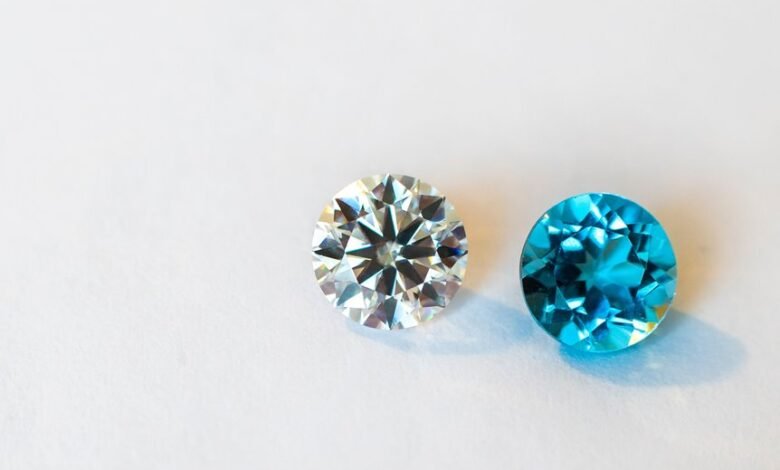
Natural and lab-grown gemstones share the same chemical composition and crystallographic structure, yet they differ in origin, formation environment, and traceable provenance.
The distinction rests on contrast origins and documented processes, not surface appearances.
Provenance records establish verifiable paths from source to sale, reducing uncertainty.
Value myths persist; evidence shows price signals reflect supply chains, certification, and accountability rather than intrinsic spark alone.
How Growth Affects Clarity, Color, and Inclusions
Growth mechanisms in gemstones—whether natural or laboratory-created—directly influence clarity, color, and the presence of inclusions. This examination emphasizes growth impact on crystal lattices, trace element incorporation, and defect formation.
Provenance-driven observations reveal measurable clarity differences among specimens, while color variation correlates with growth conditions and impurity profiles. Evidence supports consistent patterns: growth processes shape clarity, color, and inclusion presentation.
Price, Value, and Ethical Considerations Explained
Price, value, and ethical considerations must be understood through the lens of both market dynamics and provenance.
The analysis emphasizes price ethics, transparency, and cost structures driving lab-grown versus natural gemstones.
Provenance clarity shapes perceived value; market confidence reflects supply, demand, and assurance programs.
Value lab grown hinges on reproducible quality, ethical sourcing, and long-term stewardship, balancing affordability with responsible governance.
How to Evaluate Gems: Practical Buyer’s Checklist
To evaluate gems effectively, buyers should adopt a structured, evidence-based checklist that foregrounds provenance, certification, and material properties.
The approach emphasizes inscription authenticity verification, device origin tracing, and independent lab reports.
It remains precise yet accessible, enabling informed choices without surrendering freedom.
This checklist supports transparent comparisons, documenting origin narratives, certification validity, and property measurements critical to discerning natural versus lab-grown distinctions.
Common Myths Debunked: What Beginners Get Wrong
Common misconceptions about gemstones often arise from oversimplified narratives and marketing hype, rather than from verifiable evidence.
The analysis targets myth vs reality, separating marketing claims from data-driven provenance.
For beginners, recognizing beginner misconceptions involves distinguishing lab-grown sources, growth processes, and value drivers.
Evidence-based evaluation emphasizes traceability, independent testing, and transparent sourcing to counter oversimplified, sensationalized testimonials.
Frequently Asked Questions
Are There Hidden Environmental Impacts Unique to Lab-Grown Gems?
Yes. Lab-grown gems entail environmental impacts, though generally lower than traditional mining; key concerns include energy use and chemical handling. Growth methods influence footprint, with synthetic processes potentially offering cleaner provenance but requiring robust lifecycle assessments and transparent sourcing.
Do Lab-Grown Gems Ever Naturalistically Mimic Natural Inclusions?
Lab-grown gems can mimic natural inclusions with convincing realism; about 20% of buyers report indistinguishable textures. Natural inclusions occasionally appear in lab-grown stones, though patterns differ. This precision-focused provenance notes lab grown realism in selective cases.
How Do Warranties Differ Between Natural and Lab-Grown Stones?
Warranty terms for natural and lab-grown stones vary by retailer, not stone type; return policies and coverage differ. Provenance-driven disclosures accompany each stone, with evidence-based documentation guiding decisions, aligning with audiences seeking freedom and informed purchase autonomy.
Can Lab-Grown Stones Be Safely Resold as Natural Gems?
As allusions hint, lab-grown stones cannot be safely resold as natural gems without risking market misrepresentation; lab grown authenticity rests on disclosure, provenance-driven documentation, and rigorous evidence—consumers seeking freedom deserve transparent provenance and verifiable certifications.
Do Certification Labs Distinguish Origins Beyond Growth Method?
Certification labs generally distinguish growth method and provenance, but origin verification beyond growth method varies by institution; certification provenance focuses on origin-related data, while other facets may rely on supplementary narratives. The approach remains evidence-based, precision-driven, and provenance-oriented.
Conclusion
The conclusion, told in detached precision, emphasizes that natural and lab-grown gemstones meet the same chemical heart with different backstories. Growth conditions, inclusions, and color reflect provenance and process, not inherent superiority. When transparency, certification, and independent testing are the rule, the price-to-value picture sharpens dramatically—often more consistent than popular myths suggest. Buyers who demand reproducible quality and traceable origin will find trustworthy guidance, not hype, shaping smarter, provenance-driven choices.