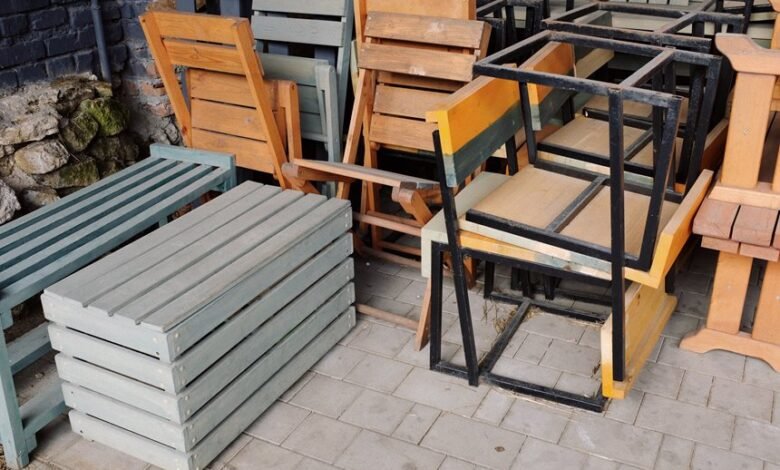
High-end furniture demands careful attention to materials and condition. Materials vary in risk—from wood and veneers to leather, fabric, and metal—and each requires specific, routine upkeep. Precision in storage, humidity control, and documented maintenance helps preserve value. Subtle wear or hidden damage can emerge, guiding timely intervention. A measured approach reduces loss, yet questions remain about when professional intervention is warranted and how best to balance preservation with daily use.
What Quality Materials Need Special Care?
Quality materials in high-end furniture demand vigilant care to preserve their integrity over time. The article outlines how premium finishes resist wear through controlled storage conditions and disciplined maintenance. Material testing ensures consistency, revealing deviations early. Sourcing standards govern durability, provenance, and performance. Regular assessment, appropriate climate control, and documented practices preserve value while enabling owners to enjoy freedom within finely crafted environments.
Common Wood and Veneer Problems and Fixes
Wood and veneer surfaces are prone to a fixed set of issues that compromise appearance and structural performance if not addressed promptly.
Common wood risks include warping, cracking, and finish wear, while veneer problems center on lifting, seams, and edge chipping.
Systematic fixes involve controlled humidity, careful filling, gentle sanding, matched repairs, and preservation-minded care for veneer problems, common wood, fixes leather care, metal care.
Leather, Fabric, and Metal Care for Premium Pieces
Leather, fabric, and metal surfaces require disciplined, preventive care to maintain premium appearance and longevity. Regular dusting, controlled cleaning, and prompt stain response preserve texture and sheen without compromising integrity.
Leather care emphasizes conditioning and minimal moisture; metal finishes benefit from soft, nonabrasive cloths and brief polish as needed. Documentation of treatments ensures consistency and clarity for responsible ownership.
Preventive Maintenance to Protect Your Investment
Preventive maintenance establishes a disciplined routine that preserves value and appearance over time. The approach emphasizes systematic care, documentation, and informed material choices. Regular dusting, appropriate protective coatings, and controlled environments limit deterioration.
Humidity control optimizes wood and leather stability, reducing warping and cracking. Scheduled inspections identify early issues, enabling timely preservation decisions without compromising aesthetic integrity or personal freedom to enjoy the piece.
Troubleshooting Visible Wear: When to Call a Pro
Visible wear on high-end furniture often becomes noticeable after preventive measures have set expectations for routine care. When signs progress beyond minor fixes, assessment by a professional ensures material integrity and finish fidelity. The decision to call a pro hinges on unfamiliar patterns, structural concerns, or hidden damage. visible wear indicates limits of DIY; when to call a pro, act promptly.
Frequently Asked Questions
How Can I Identify Genuine High-End Leather From Fakes?
Identifying genuine leather involves evaluating leather textures, inspecting grain patterns, and assessing overall scent and finish. Distinguishing grain patterns reveals natural variation, while leather authenticity is supported by consistent tannage and stitching. The approach is precise, preservation-minded, and freedom-oriented.
Do Rare Woods Require Specialized Finishing Beyond Standard Care?
Rare woods may require specialized finishing beyond standard care, as their density and grain respond uniquely to oils and sealants; a preservation-minded approach ensures stability, color retention, and resilience, aligning meticulous technique with an audience seeking freedom.
Can Metals React With Common Household Cleaners on Premium Furniture?
Like a careful clock, metals can react with some cleaners. Metal interaction hinges on composition and cleaners used; cleaner compatibility is essential. The approach is precise, preservation-minded, and empowers owners seeking freedom to maintain premium furniture safely.
Are There Eco-Friendly Polish Options for Luxury Finishes?
Yes, there are eco friendly polish options for luxury finishes; they preserve leather authenticity and enhance surface depth. The approach is precise, methodical, preservation-minded, prioritizing minimal impact while offering an aesthetically freeing, luminous, durable result for discerning owners.
What Resale Considerations Affect Care Choices and Restoration Timing?
Resale timing influences care choices and restoration pacing: preservation takes precedence, as early intervention preserves value. The detached evaluator notes that decisions align with market expectations, material integrity, and potential enhancement versus over-restoration, balancing freedom with disciplined, evidence-based stewardship.
Conclusion
Premium materials demand disciplined stewardship: regular assessments, controlled environments, and timely interventions preserve value. By identifying warping, cracking, or finish wear early, and treating veneers for lifts or chips, owners extend life and beauty. Leather, fabric, and metals benefit from routine dusting and conditioning where appropriate, plus prompt stain response. An interesting statistic to underscore sophistication: studies show rooms maintaining stable humidity (around 40-50%) reduce veneer and wood movement by up to 30%. Preventive maintenance remains the most cost-efficient strategy.