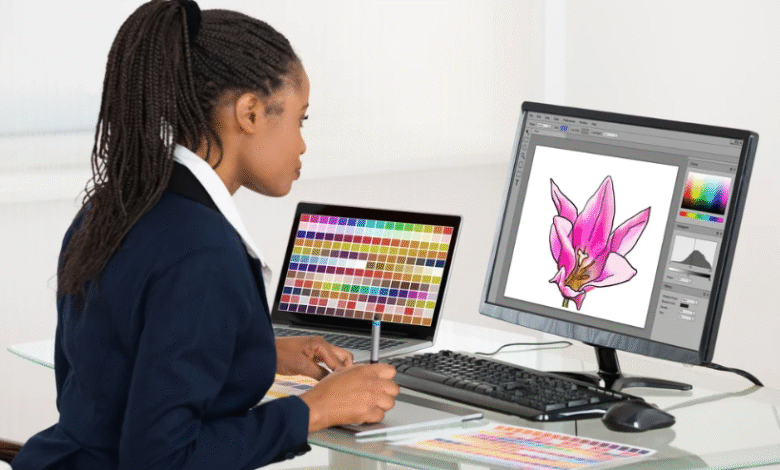
The Evolution and Foundations of Graphic Design
Graphic design is a powerful form of visual communication that blends creativity, technology, and strategic thinking to convey ideas effectively. From ancient cave paintings and hieroglyphics to modern digital interfaces, the evolution of graphic design reflects humanity’s desire to communicate visually. In its earliest form, design was used to record events, symbolize beliefs, and transmit cultural knowledge. With the invention of the printing press in the 15th century, graphic design began to take on a more structured and commercial role, shaping books, posters, and advertisements.
In the 20th century, movements such as Bauhaus, Art Deco, and Swiss Design significantly influenced modern aesthetics. Designers began to focus on minimalism, functionality, and typography as central elements of communication. The digital revolution in the late 20th and early 21st centuries transformed the field once again, introducing software tools like Adobe Photoshop, Illustrator, and InDesign. Today, graphic design extends beyond print media into websites, mobile apps, social media, and immersive digital experiences.
At its core, graphic design is built on fundamental principles such as balance, contrast, hierarchy, alignment, repetition, proximity, and color theory. These elements help designers create visually appealing and effective compositions. Typography plays a crucial role, as font choices influence readability and emotional tone. Color psychology also impacts how audiences perceive a message, as different colors evoke specific emotions and associations.
Graphic design is not merely about aesthetics; it is about problem-solving. Designers analyze target audiences, brand objectives, and communication goals to create visuals that resonate. Whether designing a logo, a website interface, or a marketing campaign, every design decision must serve a purpose. In a world saturated with visual content, effective graphic design ensures clarity, engagement, and memorability.
The Role of Graphic Design in Branding and Identity
Branding is one of the most significant areas where graphic design demonstrates its value. A brand’s visual identity forms the first impression customers have of a company. Logos, color schemes, typography, packaging, and marketing materials all contribute to shaping a brand’s personality. A well-designed brand identity builds trust, recognition, and emotional connection with consumers.
A logo, often considered the cornerstone of branding, must be simple, versatile, and memorable. It represents a company’s values and mission in a visual form. Successful brands like Apple, Nike, and Coca-Cola have iconic logos that are instantly recognizable worldwide. Beyond the logo, a consistent visual language ensures that all brand materials reflect a unified message.
Consistency is key in branding. Graphic designers create brand guidelines that define how visual elements should be used across different platforms. This includes specifications for logo placement, color codes, typography styles, and imagery tone. When brands maintain consistency, they appear more professional and reliable.
In today’s competitive market, storytelling is essential. Through thoughtful graphic design, brands communicate their story visually. Packaging design, for instance, influences purchasing decisions by capturing attention on crowded shelves. Social media graphics help brands maintain engagement and strengthen their digital presence. By strategically combining visuals and messaging, graphic design transforms businesses into recognizable and trusted brands.
Digital Transformation and the Rise of Modern Graphic Design
The digital era has redefined the landscape of graphic design. With the rapid growth of the internet and mobile technology, designers must now create visuals optimized for multiple devices and platforms. Websites, mobile apps, digital advertisements, and social media content require responsive and user-friendly designs. User Experience (UX) and User Interface (UI) design have become critical aspects of modern visual communication.
Designers today rely on advanced tools and technologies to streamline their workflow. Cloud-based collaboration platforms allow teams to work together in real time, while artificial intelligence assists in generating layouts, color palettes, and design suggestions. Motion graphics and animation have also gained popularity, enhancing engagement through dynamic visual storytelling.
In the middle of this digital revolution, the demand for professional graphic design services continues to grow as businesses compete for online visibility and audience attention. Digital marketing campaigns rely heavily on eye-catching visuals to increase click-through rates and conversions. Infographics simplify complex information, making it easier for audiences to understand and share content.
Social media platforms such as Instagram, Facebook, and TikTok prioritize visual content, making design a central element of online communication. Designers must adapt to changing trends, including minimalistic layouts, bold typography, and immersive 3D visuals. Accessibility has also become a key consideration, ensuring designs are inclusive for users with disabilities.
The digital transformation has expanded opportunities for freelance designers and creative agencies worldwide. Remote work allows professionals to collaborate across borders, contributing to a global creative economy. As technology continues to evolve, graphic design will remain at the forefront of digital innovation.
Essential Skills and Career Opportunities in Graphic Design
A successful graphiste paris combines artistic talent with technical proficiency and strategic thinking. Creativity is fundamental, but it must be supported by a strong understanding of design principles and software tools. Mastery of programs like Adobe Creative Suite, Figma, and Canva is often required in professional settings.
Communication skills are equally important. Designers must interpret client briefs, understand brand objectives, and present ideas effectively. Time management and adaptability help designers meet deadlines and respond to feedback. A strong portfolio showcasing diverse projects is crucial for career advancement.
Graphic design offers a wide range of career opportunities. Designers can specialize in branding, web design, packaging, illustration, motion graphics, or advertising. Some work in corporate environments, while others join creative agencies or pursue freelance careers. The rise of digital platforms has also created opportunities in content creation, social media management, and digital marketing.
Educational pathways vary, from formal degrees in graphic design to online courses and self-taught learning. Continuous improvement is essential, as design trends and technologies constantly change. Networking within creative communities and participating in design competitions can enhance professional growth.
The flexibility of this field allows designers to work across industries, including fashion, technology, healthcare, entertainment, and education. As businesses increasingly prioritize visual communication, the demand for skilled designers continues to expand, making graphic design a promising and dynamic career choice.
See also: Mastering Advanced Lifeguarding Techniques
The Future of Graphic Design and Emerging Trends
The future of graphic design is shaped by technological advancements and shifting consumer expectations. Artificial intelligence is becoming a powerful tool in the design process, assisting with layout generation, image editing, and personalization. While AI can enhance efficiency, human creativity remains irreplaceable in crafting meaningful and emotionally resonant designs.
Augmented Reality (AR) and Virtual Reality (VR) are opening new possibilities for immersive design experiences. Brands are experimenting with interactive packaging and virtual showrooms that blend physical and digital environments. Sustainability is also influencing design decisions, with eco-friendly packaging and minimalist aesthetics gaining popularity.
Another emerging trend is personalization. Consumers expect tailored experiences, and designers must create adaptable visual systems that cater to diverse audiences. Data-driven design enables brands to adjust visuals based on user behavior and preferences. Inclusivity and diversity are becoming central themes, ensuring representation across different cultures and communities.
Minimalism continues to dominate modern design, emphasizing clarity and functionality. However, bold typography, vibrant gradients, and experimental layouts are also making a comeback. Designers must strike a balance between creativity and usability, ensuring that aesthetics enhance rather than hinder communication.
As technology evolves and global connectivity increases, graphic design will remain a vital tool for communication and innovation. It bridges art and strategy, transforming ideas into compelling visuals that influence perceptions and drive action. In a visually driven world, the power of graphic design lies in its ability to inspire, inform, and connect people across cultures and platforms.