Boba tea is one of the most customizable drinks in the beverage market. Customers can choose the tea base, milk type, sweetness level, ice level, toppings, and sometimes even the texture or temperature of the drink. That variety is part of the fun, but it also creates questions.
One of the most common questions is: does boba tea have caffeine?
The answer is not the same for every drink. Some boba teas contain caffeine because they are made with brewed tea. Others may be completely caffeine-free because they are based on milk, fruit, yogurt, or herbal ingredients. Knowing the difference helps customers choose a drink that fits their taste, lifestyle, and sensitivity level.
Does Boba Tea Have Caffeine in Every Drink?
No, not every boba drink has caffeine.
The phrase “boba tea” can be misleading because people often use it to describe many different drinks with tapioca pearls or toppings. Some are true tea drinks. Others are closer to milk-based desserts, fruit beverages, smoothies, or refreshers.
If a drink is made with black tea, green tea, oolong tea, jasmine tea, or matcha, it will contain caffeine. If it is made with fresh milk, brown sugar syrup, fruit juice, yogurt, or a caffeine-free base, it may not contain caffeine.
This is why the question does boba tea have caffeine needs a more detailed answer than a simple yes or no.
The best way to know is to check the drink base.
The Drink Base Determines the Caffeine Level
Tea-Based Drinks
Tea-based boba drinks usually contain caffeine.
Classic milk tea, jasmine green tea, oolong milk tea, fruit green tea, and matcha drinks are common examples. These drinks may taste very different from one another, but they all use tea as a main ingredient.
The caffeine amount can vary. A strong black tea base may contain more caffeine than a lighter green tea base. Matcha can also be relatively noticeable because it uses powdered tea leaves.
Milk-Based Drinks
Some drinks are made with milk but no tea.
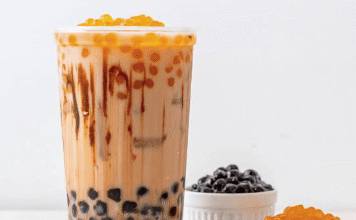
Brown sugar fresh milk is a popular example. It usually includes milk, brown sugar syrup, and tapioca pearls. If no tea is added, the drink is generally caffeine-free.
Taro milk, chocolate milk, strawberry milk, and other dessert-style drinks may also be caffeine-free, depending on the recipe. However, customers should still ask, because some shops add tea to these drinks for extra flavor.
Fruit-Based Drinks
Fruit boba drinks can go either way.
Many fruit teas use green tea or jasmine tea as the base, which means they contain caffeine. Other fruit drinks may be made with juice, sparkling water, lemonade, or smoothies, which may not contain caffeine.
For example, mango green tea has caffeine. Mango smoothie with popping boba may not.
This is why menu wording matters.
Why People Ask: Does Boba Tea Have Caffeine?
People ask does boba tea have caffeine for different reasons.
Some customers are sensitive to caffeine and may feel jittery after drinking tea or coffee. Others avoid caffeine in the evening because it affects their sleep. Parents may want to know which drinks are better suited for children. Some customers may be pregnant, managing health concerns, or simply trying to reduce caffeine intake.
For these customers, clear menu information is not a small detail. It directly affects whether they feel comfortable ordering.
Boba shops that explain caffeine options clearly can create a better customer experience, especially for first-time visitors who may feel overwhelmed by the menu.
See also: About Datrihelminen Life
Caffeine and Popular Boba Tea Types
Classic Milk Tea
Classic milk tea is usually caffeinated because it is commonly made with black tea.
It is rich, creamy, and one of the most traditional boba drinks. Customers who want a caffeine-free option should ask whether the shop offers a fresh milk version without tea.
Brown Sugar Boba
Brown sugar boba can be caffeinated or caffeine-free.
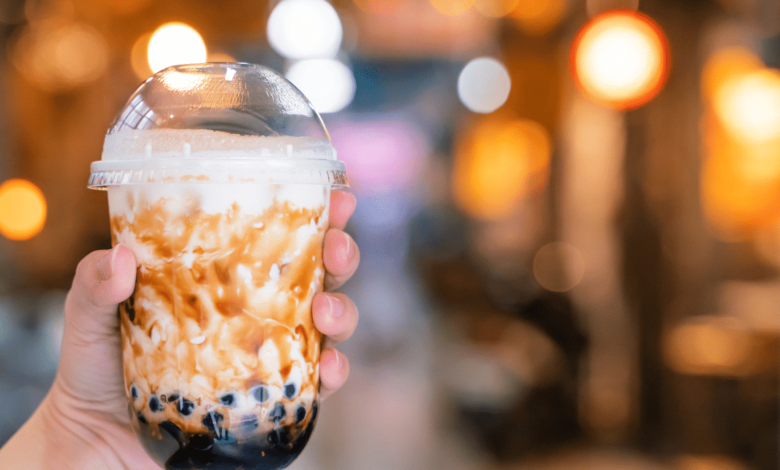
Brown sugar fresh milk is often caffeine-free because it does not always contain tea. Brown sugar milk tea, on the other hand, contains caffeine if it uses a tea base.
The difference is small in wording but important in practice.
Fruit Tea
Fruit tea usually contains caffeine if it is made with green tea, jasmine tea, black tea, or oolong tea.
Customers who want fruit flavor without caffeine can ask for fruit juice, smoothie, or sparkling versions instead.
Matcha Boba
Matcha boba contains caffeine.
Even though it may taste smooth and creamy, matcha is made from green tea powder. It is not the same as a caffeine-free dessert drink.
Taro Boba
Taro boba depends on the recipe.
Some shops make taro milk tea with tea. Others make taro milk without tea. Customers avoiding caffeine should confirm before ordering.
How Boba Shops Can Make Caffeine Choices Easier
From a business perspective, caffeine transparency can improve ordering flow.
A boba shop or franchise can help customers by labeling drinks clearly. The menu might identify tea-based drinks, caffeine-free drinks, dairy-free options, and lower-sugar choices.
This is especially useful in a busy shop where staff may not have time to explain every recipe in detail.
Clear labels can also encourage customers to try more drinks. Someone avoiding caffeine may skip the whole menu if they are unsure what is safe for them. But if caffeine-free choices are easy to find, that customer may feel more confident ordering.
For franchise operators, this also supports consistency. Staff across different locations can give the same answers and reduce confusion.
How to Build a Caffeine-Friendly Boba Menu
A well-balanced boba menu should serve different customer needs.
Tea lovers may want strong black tea, roasted oolong, jasmine green tea, or matcha. Customers avoiding caffeine may prefer fresh milk drinks, fruit refreshers, smoothies, or herbal options. Health-conscious customers may want reduced sugar, plant-based milk, or lighter toppings.
A good menu can include all of these without becoming too complicated.
For example, a shop may organize drinks by category:
- Milk tea
- Fruit tea
- Fresh milk
- Smoothies
- Caffeine-free drinks
- Seasonal specials
This helps customers understand what they are ordering before they reach the counter.
Tips for Ordering Boba With Less Caffeine
Customers who want less caffeine can use a few simple strategies.
First, choose fresh milk or fruit-based drinks without tea. Second, avoid matcha, coffee, and strong black tea in the evening. Third, ask the staff whether a drink can be made with a lighter tea base or no tea.
Fourth, pay attention to names. “Milk tea” usually means tea is involved. “Fresh milk” may mean there is no tea, but recipes vary. “Fruit tea” usually contains tea, while “fruit smoothie” may not.
The more familiar customers become with these terms, the easier ordering becomes.
Why This Matters for the Boba Business
The original business planning article highlights how many decisions go into opening and running a boba shop, from business models to startup costs and operating expenses. Menu planning is part of that business strategy.
A shop that answers customer questions clearly can improve service speed, reduce hesitation, and create a more inclusive menu experience.
The question does boba tea have caffeine may seem simple, but it affects product positioning, menu design, staff training, and customer satisfaction.
Conclusion
So, does boba tea have caffeine? Some boba drinks do, and some do not. Tea-based drinks usually contain caffeine, while fresh milk, smoothie, juice-based, or caffeine-free herbal drinks may not.
For customers, the easiest way to decide is to check the drink base. For boba shop owners, the opportunity is to make caffeine information clear and easy to understand.
A better menu does not only sell drinks. It helps customers order with confidence.