The Purpose of Automotive Performance Upgrades
Automotive performance upgrades have become increasingly popular among vehicle enthusiasts and everyday drivers who want to improve the driving experience, increase efficiency, or personalize their cars. From simple modifications such as installing a high-performance air filter to more advanced changes like turbocharger upgrades or suspension tuning, the possibilities are nearly endless. However, before making any modifications, drivers should understand that every upgrade serves a specific purpose and should align with their driving needs. Some upgrades focus on improving horsepower and acceleration, while others enhance handling, braking, fuel efficiency, or overall reliability. Choosing modifications without a clear objective can lead to unnecessary expenses and disappointing results. Drivers should first determine whether they prioritize better track performance, improved daily driving comfort, towing capability, or fuel economy before selecting aftermarket components. Understanding the intended outcome helps ensure that each modification contributes positively to the vehicle’s overall performance rather than creating compatibility issues.
Research plays a critical role before purchasing any performance parts. Vehicle manufacturers design engines, transmissions, suspension systems, and braking components to work together within carefully engineered specifications. Altering one component often affects several others, meaning modifications should be viewed as part of a complete system instead of isolated upgrades. Reading product reviews, consulting experienced mechanics, and learning from reputable automotive communities can help drivers avoid common mistakes. High-quality aftermarket manufacturers usually provide detailed compatibility information, installation requirements, and expected performance gains. Cheap or poorly manufactured components may initially seem attractive because of lower prices, but they often compromise reliability and safety. Investing in reputable brands and professional installation when necessary reduces the risk of premature failures. Understanding warranty implications is equally important because certain modifications may affect manufacturer warranties. Drivers who educate themselves before making changes are far more likely to enjoy reliable improvements that match their expectations while preserving the long-term value of their vehicle.
Choosing the Right Performance Parts for Your Vehicle
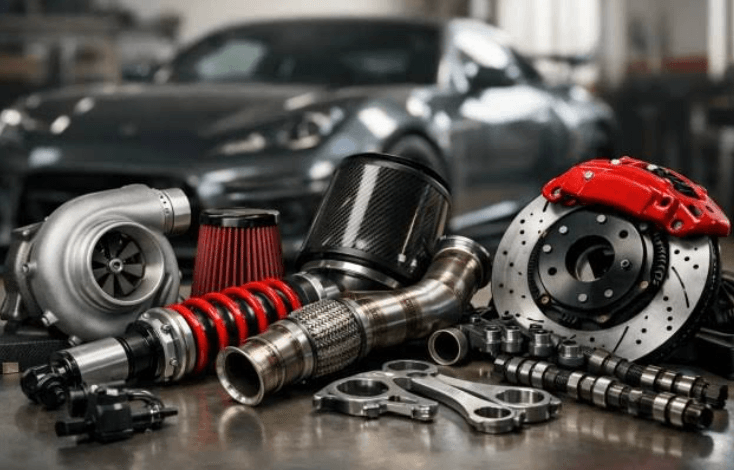
Selecting the appropriate performance upgrades requires balancing goals, budget, and vehicle compatibility. Engine modifications are among the most common upgrades because they directly influence power output. Cold air intake systems, upgraded exhaust systems, performance headers, intercoolers, and engine tuning software are frequently installed to improve airflow and combustion efficiency. These upgrades often work best when combined strategically rather than individually. For example, installing a performance exhaust without proper engine tuning may produce minimal gains, while combining multiple airflow improvements with professional calibration can deliver noticeable improvements. Drivers in southern France who are considering reprogrammation moteur Marseille should look for a specialist who can match the tuning work to the vehicle, driving style, and mechanical condition rather than relying on a generic file. Drivers should also remember that more horsepower does not automatically create a better driving experience if the suspension, tires, and braking systems cannot handle the additional power safely.
Suspension upgrades significantly improve vehicle handling, cornering stability, and ride control. Performance shocks, coilovers, sway bars, and lowering springs allow drivers to achieve more responsive steering while reducing body roll during aggressive driving. However, lowering a vehicle excessively may reduce ride comfort and ground clearance, making daily driving more difficult. Tire selection also has an enormous impact on performance because tires are the only contact point between the vehicle and the road. High-performance tires provide better grip, shorter braking distances, and improved cornering abilities compared to standard tires. Likewise, lightweight wheels reduce unsprung weight, allowing suspension components to perform more efficiently. Brake upgrades should never be overlooked when increasing engine performance. Larger brake rotors, high-performance brake pads, stainless steel brake lines, and upgraded calipers improve stopping power and reduce brake fade during repeated hard braking. Matching all these components creates a balanced vehicle that performs safely under a variety of driving conditions rather than simply producing higher engine output without adequate control.
Safety Legal Requirements and Professional Installation
Safety should remain the highest priority whenever modifying a vehicle. While performance upgrades can improve driving enjoyment, improper modifications may create hazardous situations on public roads. Engine tuning that pushes components beyond their designed limits may increase wear, generate excessive heat, or reduce engine reliability. Suspension modifications installed incorrectly can negatively affect wheel alignment, steering geometry, and tire wear. Even seemingly simple modifications such as changing wheel sizes require careful attention to offset, tire dimensions, and suspension clearance. Drivers should verify that every modification complies with manufacturer recommendations whenever possible and avoid combining incompatible components. A balanced approach ensures that improvements in one area do not create problems elsewhere in the vehicle.
Legal regulations surrounding vehicle modifications vary depending on location, making it essential for drivers to understand applicable laws before purchasing aftermarket parts. Some regions regulate exhaust noise levels, emissions equipment, lighting modifications, suspension height, window tint, and engine tuning. Removing emissions control devices or installing non-compliant exhaust systems may result in fines or inspection failures. Insurance companies should also be informed about significant modifications because undisclosed changes may affect policy coverage or claim eligibility following an accident. Professional installation is another factor that contributes significantly to both safety and reliability. Experienced technicians possess specialized tools, diagnostic equipment, and technical knowledge required for proper installation and calibration. Complex modifications such as forced induction systems, ECU tuning, differential upgrades, or transmission enhancements demand precision that exceeds typical do-it-yourself capabilities. Investing in professional labor often prevents costly repairs later while ensuring that the upgraded vehicle performs safely and consistently under various driving conditions.
Balancing Performance Reliability and Maintenance
Every performance modification introduces new maintenance considerations that drivers should fully understand before beginning a project. Higher horsepower typically places greater stress on internal engine components, transmissions, differentials, cooling systems, and driveline parts. As power increases, regular maintenance becomes even more important for preserving reliability. High-quality engine oil, transmission fluid, coolant, and brake fluid should be changed according to more demanding service intervals when performance driving is involved. Routine inspections help identify worn belts, hoses, suspension bushings, bearings, and brake components before they develop into more serious problems. Preventive maintenance remains one of the most effective ways to protect the investment made in aftermarket upgrades.
Reliability should never be sacrificed solely in pursuit of maximum performance numbers. Many experienced enthusiasts recommend building a modification plan that progresses gradually rather than making numerous changes simultaneously. This approach allows drivers to evaluate each upgrade individually, monitor vehicle behavior, and address any issues before adding further modifications. Cooling upgrades, including larger radiators, performance fans, and upgraded intercoolers, often become essential as engine output increases because excessive heat remains one of the primary causes of mechanical failures. Fuel system improvements may also be required to support higher horsepower safely. Proper engine management software ensures that air-fuel ratios remain within safe operating limits while maintaining consistent performance. Drivers should also budget for ongoing maintenance expenses, replacement parts, and occasional tuning adjustments. Considering these long-term responsibilities before modifying a vehicle helps prevent financial surprises while maximizing both reliability and driving satisfaction throughout the ownership experience.
See also: Transforming Brand Narratives into Business Assets
Planning Smart Modifications for Long Term Driving Satisfaction
Successful automotive performance upgrades begin with careful planning rather than impulse purchases. Every vehicle has unique strengths, limitations, and intended purposes that should influence modification decisions. Daily commuters often benefit more from suspension improvements, brake upgrades, and fuel-efficient tuning than from extreme engine modifications. Weekend performance cars may justify larger investments in forced induction systems, performance camshafts, upgraded fuel injectors, and advanced engine management solutions. Understanding realistic expectations is essential because no single modification transforms every aspect of vehicle performance. Instead, well-planned upgrades work together to create measurable improvements while maintaining comfort, reliability, and safety.
Drivers should establish a realistic budget that includes not only aftermarket components but also installation costs, maintenance requirements, supporting upgrades, and potential repairs. Purchasing the highest-quality parts available within budget usually provides better long-term value than repeatedly replacing inexpensive alternatives. Keeping detailed records of modifications, maintenance, and tuning adjustments also benefits future troubleshooting and may increase buyer confidence if the vehicle is eventually sold. Working with reputable automotive specialists who understand the specific make and model helps ensure that modifications are installed correctly and optimized for real-world performance. Most importantly, drivers should remember that responsible vehicle modification involves balancing increased performance with legal compliance, mechanical reliability, and everyday practicality. By taking time to research available options, selecting compatible components, investing in professional expertise when necessary, and maintaining the vehicle consistently, owners can enjoy meaningful performance improvements without compromising safety or dependability. Automotive performance upgrades offer exciting opportunities to personalize and enhance a vehicle, but informed decision-making remains the foundation of every successful modification project. When approached thoughtfully, performance upgrades can deliver greater driving enjoyment, improved handling, enhanced responsiveness, and long-lasting satisfaction while preserving the vehicle’s overall integrity for years to come.