Ergonomic monitor setup matters for neutral posture and reduced neck strain. Small misalignments—eye level too high or low, wrong distance, or improper tilt—can add fatigue and glare. Practical checks include consistent eye-to-screen distance, top edge near horizontal gaze, and factors like brightness, contrast, and flicker. A quick, systematic evaluation reveals common desk faults and fixes, while supporting steady focus and comfortable vision. The next steps offer concrete, evidence-based steps to optimize the workspace.
How to Set up Your Monitor for Neutral Eyes and Posture
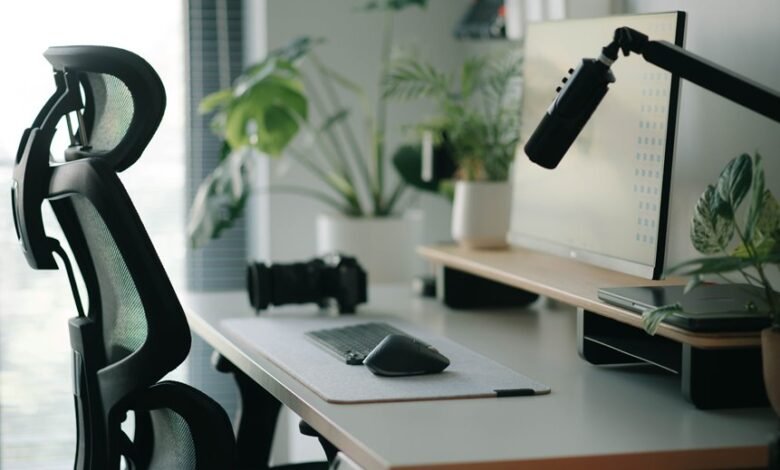
Positioning the monitor correctly is essential for maintaining neutral eye alignment and a stable neck posture. Proper setup emphasizes monitor height to align the top of the screen roughly at eye level, preventing tilt.
Ideal screen distance supports relaxed viewing. Maintain consistent posture habits, adjust lighting, and apply lighting adjustments to reduce glare without compromising task clarity and focus.
What Common Desk Mistakes Wreck Comfort and How to Fix Them
Common desk setups frequently undermine comfort through simple, fixable mistakes: overly low or high chairs, insufficient chair support, and desks set at awkward heights can force awkward postures that increase neck, shoulder, and wrist strain.
Address posture errors by aligning seating so hips and knees form near 90 degrees, calibrating monitor placement, optimizing lighting setup, and correcting seating alignment to reduce eye strain and improve performance.
How to Verify Distance, Tilt, and Height for Optical Comfort
To ensure optical comfort, verification of distance, tilt, and height should be systematic and measurements-based rather than subjective.
The process emphasizes distance verification from the eyes to the screen, precise tilt adjustment with the top edge near eye level, and height alignment so the center of the display aligns with the natural line of sight.
These practices support optical comfort.
How Glare, Flicker, and Ambient Light Affect Eye Strain
Glare, flicker, and ambient lighting conditions directly influence eye strain by altering visual comfort and cognitive load during screen use.
Glare management reduces discomfort by minimizing reflections and contrast shifts; flicker awareness helps users identify low-frequency flicker that strengthens fatigue.
Proper ambient light supports stable pupil response, aiding sustained attention and reducing perceived effort during prolonged monitor work.
How to Create a Quick, 5-Minute Monitor Health Check Routine
A quick, five-minute monitor health check can be structured as a concise routine that covers display clarity, eye comfort, and alignment. The procedure emphasizes objective verification: evaluate brightness and contrast, confirm font readability, assess glare avoidance, and ensure correct monitor height and tilt. This quick routine supports consistent monitor health, reduces strain, and promotes productive, freedom-enhancing use.
monitor health is maintained efficiently.
Frequently Asked Questions
How Often Should I Replace Monitor Filters or Coatings?
Replacement coatings and monitor filters are not routinely time-based; inspect for wear, yellowing, scratches, or diminished clarity. If any signs appear, replace promptly to reduce screen glare and maintain accurate color; typical intervals vary by use and environment.
Do Curved Monitors Reduce Eye Strain More Than Flat Screens?
Curved advantages may reduce eye strain for some users by encouraging more uniform focal distances, though evidence is mixed; individual comfort varies, and screen setup, lighting, and breaks often influence outcomes more than curvature alone.
Can Blue Light Glasses Improve Long-Term Reading Comfort?
Blue light glasses may offer modest, context-dependent benefits for long term reading comfort. Their effect on blue light exposure is debated; improvements depend on lighting, screen settings, and individual sensitivity, supporting practical use with cautious expectations.
What Symptoms Require Professional Ergonomic Assessment Immediately?
Immediate professional ergonomic assessment is indicated if persistent eye strain, severe headaches, neck or back pain, or visual changes accompany screen use, especially with abnormal screen lighting or poor posture. Early evaluation supports targeted adjustments and risk reduction.
Does Monitor Size Affect Posture or Neck Strain Significantly?
Answer: Yes, monitor size can influence neck posture and neck strain, though effects are modest and depend on seating and screen distance; screen curvature and appropriate range reduce awkward head tilt by aligning gaze with the display.
Conclusion
In practice, small, deliberate adjustments yield big comfort gains. By aligning the monitor to eye level, maintaining neutral posture, and optimizing distance, tilt, and lighting, users reduce neck strain and visual fatigue. Regular checks—brightness, contrast, flicker, glare—build resilience against eye stress. A consistent 5-minute routine sustains this setup over time. Like tightening a bicycle chain, these precise tweaks sustain smooth, efficient performance, preventing breakdowns before they occur and keeping daily work riding smoothly.