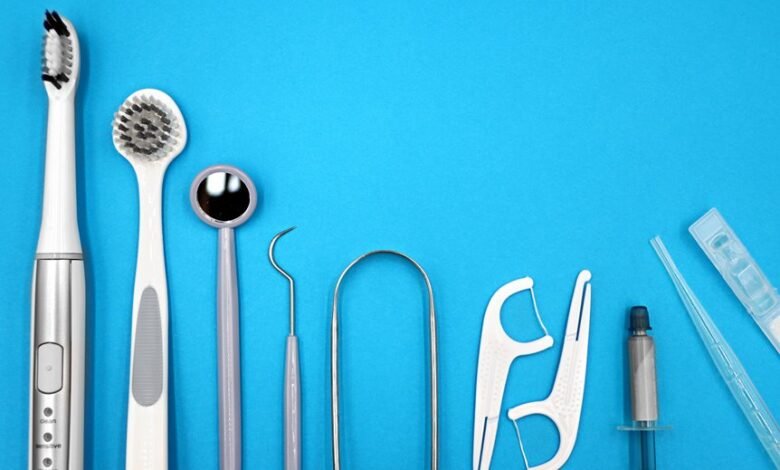
Interdental brush selection depends on mapping the interdental space to an appropriate brush size, accounting for tooth alignment and gaps. Bristle stiffness should balance tissue gentleness with effective plaque disruption, varying by access in open contacts versus tight crevices. Reach, grip, and technique influence daily use, while personal preferences and maintenance support long-term consistency. Specialty brushes—tapered, angled, slim—expand options without causing trauma, yet practical limits remain. The interplay of these factors warrants careful consideration before proceeding.
Interdental Space Mapping to Brush Size
Interdental space mapping to brush size involves assessing the three-dimensional dimensions of interdental spaces and matching them to the available brush diameters. This process, termed interdental mapping, informs brush sizing and accessibility technique. Daily use requires consideration of tooth alignment, personal preferences, and maintenance. Specialty brushes support diverse needs, while maintenance ensures consistent effectiveness and long-term interdental cleanliness.
Bristle Stiffness: Gentleness vs. Plaque Removal
Bristle stiffness in interdental brushes presents a balance between gentleness on gingival tissue and effective disruption of interdental plaque.
Stiffer bristles enhance firm cleaning by pedaling plaque from contact points but may elevate tissue irritation risk.
Conversely, softer bristles reduce trauma yet may compromise aggressive debridement.
Optimal selection aligns with gentle plaque control while preserving periodontal stability and comfort.
Accessibility and Technique: Reach, Grip, and Daily Use
Effective interdental cleaning depends on reaching all interdental spaces with stable handling. Accessibility and technique influence brush reach and grip, shaping daily routine. Evidence suggests varied tool designs address accessibility challenges, improving precision in control. Clinicians note that consistent daily technique methods enhance plaque removal while minimizing soft-tissue trauma, supporting safe, independent use and freedom in practice.
Tooth Alignment, Gaps, and Specialty Brush Options
Tooth alignment, gaps, and specialty brush options significantly influence interdental cleaning effectiveness. Appropriate brush choices depend on alignment type and gap morphology, with evidence suggesting smaller, flexible brushes for tight spaces and stiffer variants for open contacts. Tooth alignment and gaps determine access, while specialty brush options include taper, angled, and slim-profile designs to optimize plaque removal without tissue trauma.
Personal Preferences and Maintenance for Lasting Consistency
Personal preferences and daily maintenance play a pivotal role in sustaining consistent interdental cleaning outcomes.
Maintenance consistency hinges on interdental space mapping, brush size, and bristle stiffness, balancing gentleness with effective plaque removal.
Accessibility technique and reach grip influence tooth alignment, gaps, and daily use.
Preferences inform specialty brush options, while disciplined routine sustains long-term comfort and measurable interdental hygiene.
Frequently Asked Questions
How Often Should I Replace My Interdental Brushes?
Interdental brushes should be replaced when bristle stiffness becomes frayed or the filaments collapse, typically after 2–4 weeks with daily use; consider replaceable vs disposable models and differentiate bristle stiffness vs softness for optimal plaque removal qualities.
Are Brushes Single-Use or Reusable Across Days?
Brushes are reusable over multiple days, contingent on brush longevity and sanitation practices; discard if frayed or contaminated. Brush materials and compatibility with orthodontics influence maintenance, while routine cleaning sustains performance and minimizes cross-contamination.
Do Superfluous Gums Affect Brush Choice?
A 2019 study reports 40% of patients exhibit gingival excess in at least one quadrant; this can influence brush choice. Superfluous gums may necessitate smaller interdental brush heads to reduce trauma and optimize access, improving outcomes.
Can Braces or Implants Limit Brush Types?
Braces compatibility may constrain certain brushes; implant limitations exist. The evidence indicates careful selection of interdental brushes compatible with orthodontic appliances and prosthetics, emphasizing gentle insertion, material compatibility, and adherence to professional guidance for optimal oral health outcomes.
Do Color-Coded Sizes Indicate Exact Measurements?
Color coding does not reveal exact measurements; it aids selection by approximate size. Practitioners note measurement accuracy varies across brands, requiring validation against manufacturer charts. The symbolic system signals fit while empirical testing confirms true interdental access and cleaning efficacy.
Conclusion
Interdental brush selection hinges on precise mapping of space to brush size, balancing bristle stiffness with gentle tissue interaction, and ensuring accessible geometry for routine use. Evidence supports matching contact areas, optimizing reach, and employing specialty brushes for atypical gaps and angled contacts. Maintenance and user preference drive adherence, shaping long-term outcomes. How might tailoring brush choice to individual interdental topography and technique maximize plaque disruption while minimizing trauma and patient dropout?