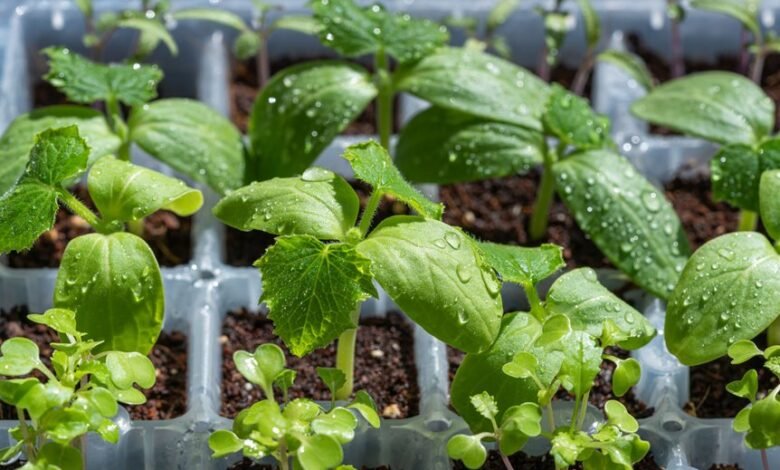
Understanding seedling watering requires attention to soil texture, drainage, and the seedling’s growth stage, which alter moisture needs. Light, temperature, and container size interact to influence humidity and root access. A practical plan should specify frequency, amount, and gradual adjustments as roots deepen. Quick gauges and fixes help tighten decisions. As seedlings move from germination to active growth and toward transplanting, the schedule must evolve, leaving the reader with a clear target and a reason to proceed.
Understand Seedling Water Needs by Soil Moisture and Stage
Understanding seedling water needs requires assessing both soil moisture and plant developmental stage. Seedling moisture depends on soil texture and drainage while considering recent growth. Seedling stages influence water uptake as root depth evolves, altering needs. Measurements should be objective, using consistent indicators. Soil texture informs retention; root depth indicates access to moisture. Clear, evidence-based criteria guide timely irrigation decisions.
Balance Light, Temperature, and Container Size for Steady Moisture
Optimal moisture stability in seedlings hinges on balancing light exposure, ambient temperature, and container size. The discussion outlines light balance to prevent uneven humidity and stress, alongside temperature management that avoids rapid fluctuations. Container size influences soil moisture buffering and drainage, aiding moisture control. Together, these factors support steady moisture without overwatering, enabling resilient early growth and freedom to adapt cultivation methods.
Develop a Practical Watering Schedule You Can Follow
A practical watering schedule integrates the moisture-stability principles discussed previously with concrete, repeatable steps. It outlines frequency, amount, and timing based on seedling moisture indicators and pot size, adjusting for weather and substrate. Record daily observations and calibrate by weight or touch. This approach reinforces water management discipline while preserving growth potential and root health without overwatering or drought stress.
Learn Quick Gauges and Quick Fixes for Common Issues
Quick gauges and fixes provide immediate diagnostic tools and corrective actions for common seedling issues, enabling rapid assessment and minimal risk to young plants.
This approach emphasizes objective measurements, such as seedling moisture and soil texture checks, and swift corrective steps.
Emphasis on rapid drainage reduces root stress, while standardized criteria guide decisions, ensuring consistent, practical outcomes for diverse growing environments.
Adapt Watering as Seedlings Grow and Transplant
As seedlings transition from germination to active growth or transplantation, watering must shift from frequent, shallow applications to a more nuanced schedule that supports developing roots and new foliage.
In the seedling stage, practitioners monitor soil moisture, avoid overwatering, and adjust frequency to maintain moisture balance.
This disciplined approach reduces stress and promotes steady, resilient growth and successful transplant establishment.
Frequently Asked Questions
How Often Should I Adjust Watering When Transplanting Seedlings?
Adjusting watering should occur gradually around transplant timing, typically assessing daily moisture and targetting consistent, shallow moisture without waterlogging. The schedule tightens during rooting, then relaxes as roots establish, preventing stress while maintaining even soil moisture.
What Signs Indicate Overwatering Versus Underwatering in Seedlings?
A metaphorical tightrope across a drought-scarred field illustrates balance; overwatering indicators include drooping leaves with yellowing, moldy soil, and root rot, while underwatering indicators reveal wilting, dry soil crust, and slow growth, with steady, precise observations guiding decisions.
Which Containers Best Prevent Root Rot in Young Plants?
Seedling containers with drainage and breathable walls best prevent root rot by avoiding prolonged soil saturation, supporting consistent moisture and aeration, thereby protecting root health and allowing robust growth in young plants.
Do Different Seed Varieties Require Distinct Watering Schedules?
Seed variety differences influence watering schedule variation; seedling soil moisture testing guides adjustments. Transplanting adjustment factors and root health indicators matter. Container material effects, gentle watering technique, and root disturbance avoidance support consistent moisture without overwatering.
How Can I Water Seedlings Without Disturbing Delicate Roots?
A striking 90% of seedling stress stems from root disturbance. It is noted that gentle watering minimizes abrupt force, while root protection is achieved by watering at soil level and using a layered mulched surface.
Conclusion
Water beads cling to the soil like tiny glass beads, then retreat as roots drink. The profile of moisture deepens with root growth, while light and warmth pull water from the container faster. A measured routine—weighing pots, observing leaf turgor, and noting drainage—acts as a compass through stages. When roots reach, the soil breathes more, and the schedule tightens or loosens. In steady increments, seedlings drink, breathe, and prepare for transplant, guided by data, not guesswork.