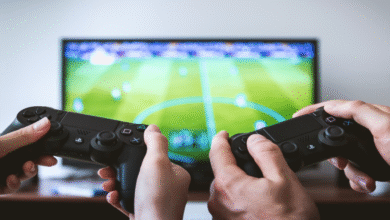
Entertainment used to require a little more planning. You went to the cinema, waited for a television programme to start or bought a new game before you could play it. Now, a spare ten minutes is enough to watch a video, listen to a podcast or open a game on your phone. The choices have become much wider too. Someone might spend an evening watching Netflix, another person may play a multiplayer game with friends, while others browse sports and entertainment platforms such as 22Bet. Digital entertainment hasn’t simply given people more things to do. It has changed when, where and how they relax.
How Smartphones Changed
It is easy to forget how much dead time there used to be in an ordinary day. Waiting for a bus meant waiting for a bus. A long train ride might involve a newspaper, a book, some music or simply watching the scenery go past. The phone changed that without people really noticing it happen.
Now there is always something available. Someone can watch twenty minutes of a film on the way home, get through a few podcast episodes during the week or play a game while waiting for an appointment. Even short bits of time have become opportunities for entertainment.
That has made us a little impatient too. We are used to pressing a button and getting what we want almost immediately.
Television Didn’t Disappear, but It Changed
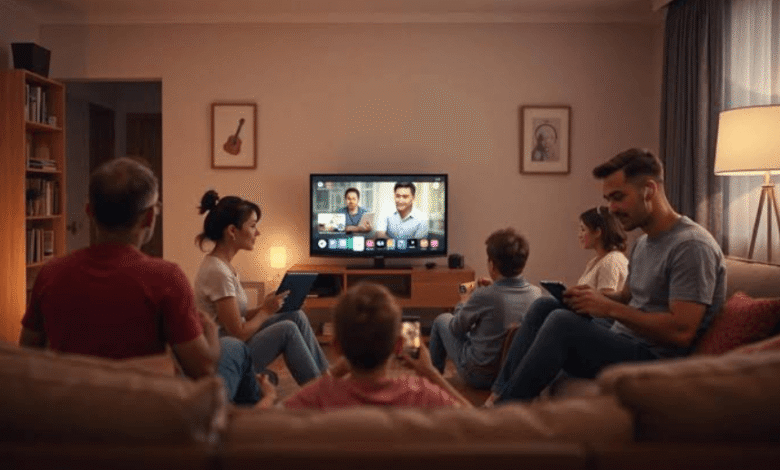
For a while, it looked as though the internet might push ordinary television aside completely. That hasn’t really happened. Plenty of people still have a television in the living room; they just don’t necessarily use it the way their parents did.
Instead of checking what happens to be on, viewers can spend an evening jumping between a new series, an old film and something they found after endlessly browsing a streaming app. In fact, finding something to watch has almost become part of watching television. Most people have probably had an evening where they spent longer scrolling through choices than they would like to admit.
There are still moments when the old way wins, though. A major football match, breaking news or a big live event can have millions of people watching the same thing at roughly the same time. So television hasn’t exactly gone away. It has ended up sharing the screen with streaming, phones and everything else competing for our attention.
Music Goes Wherever the Listener Goes
Music has gone through its own quiet revolution. A physical collection once took up shelves. Today, a phone can provide access to an enormous catalogue without the listener owning individual albums.
That has changed discovery as well. People still find music through friends and radio, but playlists, recommendations and short videos can introduce a song to listeners on the other side of the world almost overnight.
Podcasts have benefited from the same habits. They fit easily around commuting, cooking, walking or exercising because they don’t demand someone’s full visual attention.
The Old and New Still Mix
Digital entertainment hasn’t replaced everything that came before it. People still attend concerts, buy books, go to cinemas, watch live sport and meet friends for games.
What has changed is the amount of choice surrounding those activities. Entertainment no longer belongs to a particular room, device or time of day. It follows people around.
That is probably why digital entertainment has become so ordinary so quickly. The biggest shift wasn’t one new platform or device. It was turning entertainment from something people deliberately went looking for into something that is almost always within reach.