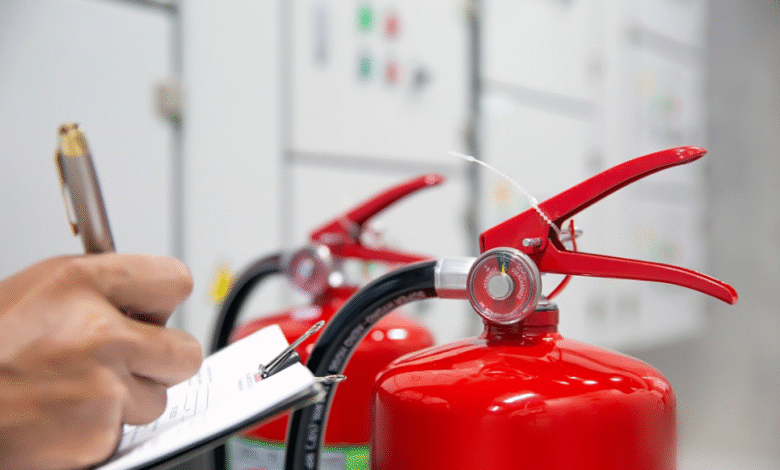
Introduction to Fire Risk Assessment and Compliance
A fire risk assessment is a critical process that helps identify fire hazards, evaluate risks, and implement measures to protect people, property, and assets. Beyond safety, fire risk assessments play a major role in legal compliance and enforcement. Governments and regulatory authorities require businesses, landlords, and property managers to follow fire safety laws, and fire risk assessments are at the heart of these obligations.
Understanding how compliance works—and how enforcement is carried out—is essential for avoiding penalties, ensuring safety, and maintaining business continuity. Fire safety laws are designed not to punish, but to prevent disasters before they occur. A properly conducted fire risk assessment demonstrates responsibility, preparedness, and legal awareness.
Legal Requirements for Fire Risk Assessments
Most fire safety regulations require responsible persons—such as employers, building owners, landlords, or facility managers—to carry out and maintain a fire risk assessment. These laws apply to commercial buildings, public spaces, and shared residential properties. The purpose is to ensure that fire hazards are identified early and that adequate safety measures are in place.
Legal requirements usually include identifying ignition sources, evaluating who may be harmed, implementing fire prevention controls, and maintaining clear evacuation routes. In many jurisdictions, the assessment must be documented, kept up to date, and made available for inspection by authorities. Failure to comply can result in fines, enforcement notices, or even criminal prosecution in severe cases.
Who Is Responsible for Compliance?
Fire safety compliance is not the responsibility of fire authorities—it lies with the responsible person. This may include business owners, employers, landlords, managing agents, or anyone who has control over the premises. In shared or complex buildings, multiple parties may share responsibility.
Responsible persons must ensure that fire risk assessments are suitable, sufficient, and reviewed regularly. Delegating tasks to staff or contractors does not remove legal responsibility. Even when professional fire risk assessment services are used, the duty to act on recommendations remains with the responsible person.
Enforcement by Fire Authorities
Fire authorities have the legal power to enforce fire safety regulations. Their role is to ensure that premises comply with fire safety laws and that risks to occupants are minimized. Enforcement typically begins with inspections, which may be routine or triggered by complaints, incidents, or changes in building use.
During inspections, authorities may request to see the fire risk assessment, examine safety equipment, and assess evacuation procedures. If deficiencies are found, enforcement officers can issue formal notices requiring corrective action. These notices may include deadlines for improvements or restrictions on building use until risks are addressed.
See also: Home Repair Services: Keeping Your Home in Top Shape
Types of Enforcement Actions
Enforcement actions vary depending on the severity of the risk and the level of non-compliance. Common enforcement measures include:
- Advisory notices, offering guidance on improving fire safety
- Improvement notices, requiring specific actions within a set timeframe
- Prohibition notices, restricting or closing premises where there is serious risk to life
- Prosecution, in cases of severe negligence or repeated non-compliance
Enforcement is typically proportionate, focusing on risk reduction rather than punishment. However, ignoring notices or failing to act can lead to serious legal consequences.
The Role of Documentation and Record-Keeping
Proper documentation is essential for demonstrating compliance. A well-documented fire risk assessment shows that hazards have been identified, risks evaluated, and appropriate measures implemented. Records of equipment maintenance, fire drills, staff training, and assessment reviews strengthen compliance and help during inspections.
Documentation also supports continuous improvement. By reviewing previous assessments and enforcement feedback, organizations can identify trends, address recurring issues, and enhance overall fire safety performance.
How Compliance Reduces Enforcement Risks
Organizations that take fire risk assessments seriously are far less likely to face enforcement action. Regular reviews, prompt implementation of recommendations, and staff training demonstrate a proactive approach to safety. Fire authorities often view such organizations as low-risk, reducing the likelihood of penalties.
Compliance also protects against liability in the event of a fire. If an incident occurs, documented fire risk assessments and maintenance records can show that reasonable steps were taken to prevent harm. This can significantly reduce legal and financial consequences.
Common Compliance Failures to Avoid
Many enforcement cases arise from avoidable mistakes. Common failures include outdated fire risk assessments, blocked emergency exits, poorly maintained fire alarms, and lack of staff training. Another frequent issue is treating fire risk assessments as a one-time task rather than an ongoing process.
Failing to consider vulnerable occupants, ignoring changes to the building, or not acting on previous inspection findings can also lead to enforcement action. Awareness of these issues helps organizations maintain compliance and avoid unnecessary risks.
Benefits of Understanding Compliance and Enforcement
Understanding compliance and enforcement benefits more than just legal standing. It improves safety culture, boosts staff confidence, and enhances business reputation. Customers, tenants, and employees feel safer in environments where fire safety is clearly prioritized.
Additionally, insurers often require evidence of compliance before offering coverage. A strong compliance record can reduce insurance premiums and simplify claims, providing long-term financial benefits.
Conclusion
A fire risk assessment is central to understanding compliance and enforcement in fire safety law. It ensures that legal obligations are met, risks are controlled, and occupants are protected. By conducting regular assessments, maintaining proper documentation, and responding promptly to enforcement guidance, organizations can avoid penalties and create safer environments.
Compliance is not about avoiding punishment—it is about preventing fires, protecting lives, and ensuring responsible management. A proactive approach to fire risk assessment strengthens safety, builds trust with authorities, and supports long-term operational success.