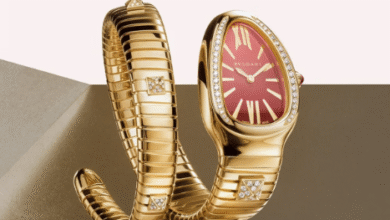
Choosing a watch is a lot like choosing a car or a suit; it’s a deeply personal decision that says a lot about who you are. Whether you are a college student looking for your first “grown-up” timepiece or a seasoned professional looking to add to a growing collection, the world of watches can feel like a labyrinth. In this guide, we’re going to break down everything you need to know about watches in a way that feels like a chat over coffee.
1. Understanding the Heart of the Watch: Movements Explained
Before you look at the shiny exterior, you need to understand what makes a watch tick. In the watch world, we call this the “movement” or “calibre.” Think of it as the engine of your watch.
- Quartz Movement: These are the most common. They run on a battery and a tiny piece of quartz crystal. They are incredibly accurate—usually losing only a few seconds a month—and are very low maintenance. If you want a “set it and forget it” watch, quartz is your best friend.
- Mechanical Movement: This is where the artistry happens. These watches don’t use batteries. Instead, they use a complex system of springs and gears.
- Manual: You have to turn the crown (the little knob) every day to tighten the spring.
- Automatic: These “self-wind” using the motion of your wrist. If you wear it, it stays powered.
- Solar Movement: A modern marvel. These watches have a tiny solar panel under the dial that converts any light (even office lamps!) into energy.
2. Matching Your Watch to Your Lifestyle
You wouldn’t wear hiking boots to a gala, and you probably shouldn’t wear a delicate gold dress watch to a mud-run. Finding the right “category” is crucial for both style and durability.
- The Dress Watch: Thin, elegant, and understated. Usually worn on a leather strap, these are meant to slide easily under a shirt cuff. They don’t have fancy buttons or bulky bezels.
- The Dive Watch: Perhaps the most popular category. Inspired by scuba divers, these are rugged, water-resistant (usually up to 200m), and feature a rotating bezel to track time. They look just as good with a t-shirt as they do with a blazer.
- The Pilot (Aviator) Watch: Known for large, easy-to-read dials and oversized crowns. They were originally designed for pilots who needed to read their watch at a glance while wearing thick gloves.
- The Field Watch: Rugged, simple, and functional. These originated in the military. They are usually made of brushed steel (so they don’t glint in the sun) and come on durable canvas or leather straps.
3. Does Size Really Matter? (The Fit Guide)
One of the biggest mistakes people make is buying a watch that is too big or too small for their wrist. It’s all about proportion.
- Case Diameter: For most men, the sweet spot is between 38mm and 42mm. If you have very slim wrists, look for 36mm-38mm. If you have a larger build, 44mm+ might work for you.
- Case Thickness: A chunky watch might look cool, but if you wear formal shirts, it will get caught on your sleeve constantly.
- Lug-to-Lug: This is the distance from the top tip of the watch to the bottom tip. If the lugs hang over the edges of your wrist, the watch is too big for you.
- The “Rule of Thumb”: When you wear the watch, you should be able to see a little bit of your wrist skin on both sides of the watch case.
4. Materials and Durability: What are You Paying For?
A watch takes a lot of abuse. it bangs against doors, gets splashed with water, and rubs against desks. The materials used determine how well it will age.
- Stainless Steel: The gold standard. It’s affordable, hypoallergenic, and can be polished if it gets scratched.
- Titanium: Much lighter than steel and even stronger. It has a matte, darker grey look and is great for people with sensitive skin.
- Ceramic: Virtually scratch-proof. It will look brand new for twenty years, but be careful—if you drop it on a hard tile floor, it can shatter.
- Sapphire Crystal vs. Mineral Glass: Always try to find a watch with Sapphire Crystal. It is the second hardest material on earth after diamonds. While mineral glass scratches easily, sapphire will stay clear forever.
5. Smart vs. Traditional: The Modern Dilemma
We can’t talk about watches without mentioning the Apple Watch or Garmin. These “wrist computers” have changed the game, but they haven’t killed the traditional watch.
- Why go Smart? If you are a fitness data nerd or need to stay connected to your emails without looking at your phone, a smartwatch is unbeatable. They are functional tools for a digital age.
- Why go Traditional? A traditional watch is an escape. It doesn’t ping you with work emails or tell you that you’ve been sitting too long. It is a piece of jewelry, a conversation starter, and something that doesn’t need to be replaced every 2 years because the software got slow.
- The Hybrid Option: Some brands now offer watches that look like traditional analog watches but have hidden sensors to track your steps—the best of both worlds!
6. Building a Collection on a Budget
You don’t need a Rolex to be a “watch guy.” You can get watch such as a mod Seiko update that will stand out.
- The “Three-Watch Collection” Strategy:
- A Daily Driver: A stainless steel sports watch (like a diver) that goes with everything.
- A Dress Piece: A simple leather-strap watch for weddings and interviews.
- A “Beater”: A tough G-Shock or digital watch for the gym, gardening, or traveling.
- Resale Value: Remember, most watches lose value the moment you buy them. Only buy a watch because you love it, not because you think you’ll make money on it later.
Conclusion: Your Wrist, Your Rules
At the end of the day, a watch is an expression of your taste. Whether you like a big, bold digital watch with 50 buttons or a tiny, gold vintage piece from the 1950s, the only person you need to please is yourself. A watch is a rare thing in the modern world: a tool that is both functional and beautiful, designed to last longer than the person wearing it.
Frequently Asked Questions (FAQs)
- Q: How often should I service my mechanical watch?
- A: Most experts recommend a service every 5 to 7 years. Think of it like an oil change for your car; it keeps the tiny parts lubricated and running smoothly.
- Q: Is it okay to wear a dive watch with a suit?
- A: Absolutely. Ever since James Bond did it, it has become a classic look. Just make sure the watch isn’t too bulky.
- Q: What does “Water Resistant 30m” actually mean?
- A: This is confusing! 30m does not mean you can dive 30 meters deep. It actually just means it can handle light rain or splashes while washing your hands. For swimming, you need at least 100m.
- Q: Why do some watches cost $10,000 and others $10?
- A: It comes down to materials (gold vs. plastic), the complexity of the movement (hand-assembled vs. machine-made), and brand heritage.