As electricity costs rise and grid reliability becomes an increasing concern, businesses across nearly every industry are looking for ways to take greater control over their energy consumption. One of the most effective solutions gaining traction worldwide is C&I energy storage , battery-based energy storage systems designed specifically for commercial and industrial applications.
In this article, we’ll explore what C&I energy storage is, how it works, the benefits it offers to businesses, and the key considerations organizations should evaluate before investing in an energy storage solution.
What Is C&I Energy Storage?
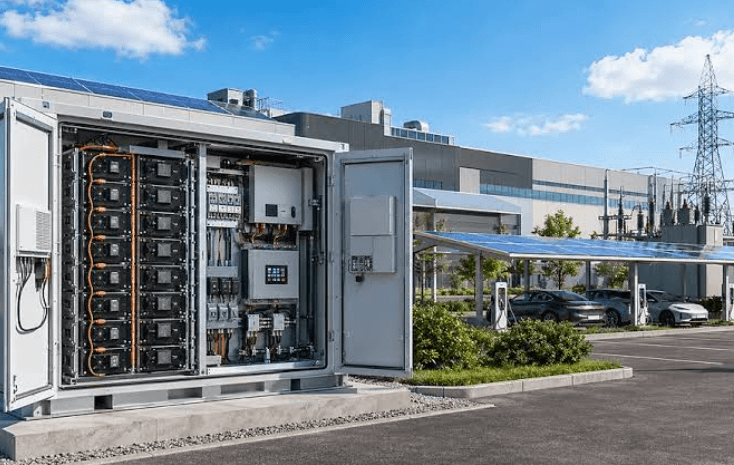
C&I stands for “Commercial and Industrial,” referring to energy storage systems designed for businesses, factories, warehouses, retail centers, and other large-scale facilities , as opposed to residential energy storage systems designed for homes. These systems typically consist of large battery banks, often lithium-ion based, paired with inverters, energy management software, and sometimes integrated with on-site solar generation.
The core purpose of a C&I energy storage system is to store electricity , either generated on-site through solar panels or purchased from the grid during off-peak hours , and discharge it strategically to reduce costs, improve reliability, or support sustainability goals.
How C&I Energy Storage Systems Work
At a basic level, C&I energy storage systems operate through a cycle of charging and discharging based on predefined strategies or real-time energy management algorithms. These strategies typically include:
- Peak Shaving – Storing energy during low-demand periods and discharging it during peak demand hours to reduce demand charges.
- Load Shifting – Shifting energy consumption patterns to take advantage of lower electricity rates during off-peak periods.
- Solar Self-Consumption – Storing excess solar energy generated during the day for use during evening hours or cloudy periods.
- Backup Power – Providing emergency power during grid outages to maintain critical operations.
- Grid Services – In some regions, businesses can participate in demand response programs, selling stored energy back to the grid during periods of high demand.
The specific configuration and control strategy depend on the facility’s energy usage patterns, local utility rate structures, and overall business objectives.
Why Businesses Are Investing in Energy Storage
The growing interest in C&I energy storage isn’t just a trend , it reflects real, measurable business benefits that are becoming increasingly important in today’s energy landscape.
Reducing Demand Charges
Many commercial and industrial electricity rate structures include demand charges based on a facility’s peak power usage during a billing period. Energy storage systems can significantly reduce these charges by discharging stored energy during peak demand windows, lowering the facility’s maximum grid draw.
Enhancing Energy Resilience
Power outages can be extremely costly for businesses, particularly those with continuous operations such as manufacturing plants, data centers, or cold storage facilities. Battery storage systems provide backup power that can keep critical systems running during grid disruptions, reducing downtime and associated losses.
Maximizing Solar Investment
For businesses that have already invested in solar panel systems, energy storage allows them to capture and use more of the solar energy they generate, rather than exporting excess power back to the grid at lower compensation rates. This improves the overall return on investment for solar installations.
Supporting Sustainability Goals
Many organizations are under increasing pressure , from regulators, investors, and customers , to reduce their carbon footprint. Energy storage systems, particularly when paired with renewable generation, help businesses reduce reliance on fossil-fuel-based grid electricity and demonstrate measurable progress toward sustainability targets.
Key Components of a C&I Energy Storage System
A typical commercial or industrial energy storage system consists of several core components working together:
| Component | Function | Key Considerations |
| Battery Bank | Stores electrical energy for later use | Lithium-ion chemistry, capacity (kWh), cycle life |
| Inverter/PCS | Converts stored DC power to usable AC power | Efficiency rating, compatibility with grid/solar |
| Energy Management System (EMS) | Controls charge/discharge strategy | Real-time monitoring, automated optimization |
| Battery Management System (BMS) | Protects battery health and safety | Thermal management, overcharge protection |
| Monitoring Software | Provides visibility into system performance | Remote access, analytics, alerts |
| Safety Systems | Prevents fire and electrical hazards | Fire suppression, ventilation, certification compliance |
Understanding these components helps business owners and facility managers evaluate proposals from different energy storage providers more effectively.
Sizing a C&I Energy Storage System
Proper sizing is one of the most important factors in ensuring a C&I energy storage system delivers the expected financial and operational benefits. Oversized systems can lead to unnecessary upfront costs, while undersized systems may fail to deliver meaningful savings or backup capacity.
Key factors that influence system sizing include:
- Facility’s historical energy consumption data
- Peak demand patterns throughout the day and across seasons
- Existing or planned solar generation capacity
- Specific goals, such as backup duration requirements or demand charge reduction targets
- Local utility rate structures and available incentive programs
Working with an experienced energy storage provider to conduct a detailed site assessment is essential for accurate system sizing and realistic performance expectations.
Financial Considerations and Incentives
The financial case for C&I energy storage has strengthened significantly in recent years due to declining battery costs and the availability of various incentive programs in many regions. Businesses evaluating energy storage investments should consider:
- Upfront Capital Costs – Including battery hardware, inverters, installation, and commissioning.
- Available Incentives – Many governments and utilities offer rebates, tax credits, or grants for commercial energy storage installations.
- Financing Options – Some providers offer power purchase agreements (PPAs) or leasing models that reduce upfront capital requirements.
- Payback Period – Based on projected savings from demand charge reduction, load shifting, and improved solar utilization.
- Long-Term Operational Savings – Including reduced electricity costs and avoided downtime expenses from outages.
A thorough financial analysis, ideally supported by historical utility billing data, helps businesses understand the true return on investment for a proposed system.
See also:Transforming Brand Narratives into Business Assets
Industries Benefiting Most from C&I Energy Storage
While virtually any commercial or industrial business can benefit from energy storage, certain industries tend to see particularly strong returns due to their energy usage patterns:
- Manufacturing facilities with high peak demand periods
- Cold storage and refrigeration warehouses requiring reliable backup power
- Data centers with critical uptime requirements
- Retail chains and shopping centers with predictable daily demand patterns
- Agricultural operations, particularly those using solar-powered irrigation systems
- Hospitals and healthcare facilities requiring uninterrupted power supply
Choosing a C&I Energy Storage Provider
Selecting the right technology partner is crucial for a successful energy storage deployment. Businesses should look for providers with proven experience delivering C&I energy storage solutions, strong technical support, and a track record of reliable system performance across various industries and applications.
When evaluating providers, consider factors such as battery warranty terms, software capabilities for monitoring and optimization, after-sales support, and their ability to customize systems based on specific facility requirements.
Future Outlook for Commercial and Industrial Energy Storage
As battery technology continues to improve and costs continue to decline, C&I energy storage adoption is expected to accelerate significantly over the coming years. Advances in battery chemistry, longer cycle life, and smarter energy management software are making these systems increasingly attractive for a wider range of businesses.
Additionally, as grid infrastructure faces growing strain from electrification trends and extreme weather events, the resilience benefits of on-site energy storage are likely to become even more valuable for businesses seeking to protect their operations from disruption.
Final Thoughts
C&I energy storage represents a powerful tool for businesses looking to reduce energy costs, improve operational resilience, and support sustainability objectives. By understanding how these systems work, evaluating proper sizing and financial considerations, and partnering with experienced providers, commercial and industrial organizations can unlock significant long-term value from their energy infrastructure investments.
As energy markets continue to evolve, businesses that proactively adopt energy storage solutions are likely to gain a meaningful competitive advantage in managing costs and ensuring operational continuity.