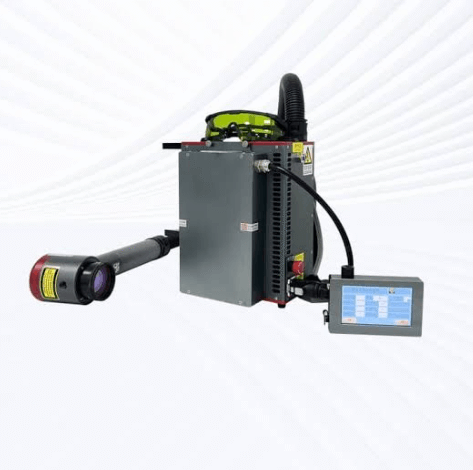
Understanding what actually happens inside a pulse laser cleaning machine during operation helps explain why this technology has become such a reliable, precise alternative to older surface treatment methods. It also helps operators get the most consistent results once the equipment is up and running on a shop floor. While the basic concept , using laser energy to remove surface contamination , sounds straightforward, the underlying physics and the practical operating knowledge required to use this equipment effectively are worth understanding in more detail, both for buyers evaluating the technology and for teams already operating this equipment day to day.
The Physics Behind Pulse Cleaning
A pulse laser cleaning machine works fundamentally differently from a continuous wave laser system, and that distinction matters a great deal for cleaning applications specifically. Rather than emitting a steady, uninterrupted beam of laser light, a pulsed system delivers energy in extremely short, high-intensity bursts , often measured in nanoseconds , with brief pauses between each pulse. This pulsing behavior is precisely what makes the technology so effective and so gentle on the underlying substrate at the same time.
Each pulse delivers a concentrated burst of energy that is absorbed almost instantly by the contamination layer sitting on the surface , rust, paint, oil, or other coatings. This rapid energy absorption causes the contaminant to heat and expand far faster than the surrounding material can respond, resulting in a process called laser ablation, where the unwanted layer essentially flakes or vaporizes away from the surface. Crucially, the brief pause between pulses allows any residual heat to dissipate before it can meaningfully transfer into the base metal, which is the key mechanism that prevents the kind of substrate damage associated with continuous, sustained heating.
This pulsing behavior is also what allows a pulse laser cleaning machine to be so precisely controlled. By adjusting pulse duration, frequency, and energy density, operators can fine-tune the system for dramatically different applications , from the gentle, careful cleaning required for a delicate cultural artifact to the aggressive, high-throughput rust removal needed on a large steel ship hull , all using fundamentally the same underlying technology, just calibrated differently.
Key Operating Parameters Explained
Operators working with a pulse laser cleaning machine typically adjust a handful of core parameters to match the equipment’s output to the specific job at hand, and understanding what each one controls helps explain why proper calibration matters so much for both cleaning quality and equipment longevity.
| Parameter | What It Controls | Practical Effect |
| Pulse frequency | How often laser pulses are emitted | Higher frequency generally increases cleaning speed |
| Pulse energy | Intensity of each individual pulse | Higher energy handles thicker contamination layers |
| Scan speed | How quickly the beam moves across the surface | Faster scanning covers more area per hour |
| Spot size | Diameter of the laser beam on the surface | Smaller spots allow finer, more precise work |
| Beam overlap | How much adjacent scan lines overlap | Higher overlap improves cleaning consistency |
Getting these parameters right for a given job is typically a combination of manufacturer guidance, documented settings for common materials and contamination types, and a degree of hands-on calibration during initial setup for a new application. Most modern systems include preset profiles for common tasks, which significantly reduces the learning curve for new operators while still allowing experienced users to fine-tune settings for unusual or particularly demanding jobs.
Air-Cooled Versus Water-Cooled Systems in Practice
The distinction between air-cooled and water-cooled pulse laser cleaning machines goes beyond a simple specification difference , it directly affects how the equipment behaves during real-world, sustained operation. Air-cooled systems rely on passive or fan-assisted heat dissipation, which works well for intermittent use patterns where the laser operates for shorter bursts with natural cooling periods in between jobs. This makes air-cooled units genuinely well suited to field maintenance work, where a technician might clean a section of equipment, move to a new position, and allow the system to cool naturally during that transition.
Water-cooled systems use an active chiller to continuously remove heat from the laser source, allowing the equipment to sustain much higher power output over extended, continuous operation without the thermal throttling that can eventually affect an air-cooled system under heavy, non-stop use. This makes water-cooled units the clear choice for production-line environments where a pulse laser cleaning machine might run for hours at a stretch as part of a continuous manufacturing or maintenance workflow, such as ongoing rust removal on a shipbuilding production line.
Operator Training and Safe Handling Practices
While a pulse laser cleaning machine is genuinely more approachable for new operators than many people initially expect, proper training remains an important part of safe, effective operation. Laser safety fundamentals , including appropriate eyewear rated for the specific wavelength in use, understanding the equipment’s designated safety zone during operation, and following proper startup and shutdown procedures , form the foundation of any operator training program.
Beyond safety basics, effective training also covers practical technique: how to hold and move the cleaning head at a consistent distance and angle from the work surface, how to recognize when a surface has been adequately cleaned versus when additional passes are needed, and how to adjust settings on the fly for surfaces with inconsistent contamination levels. Most manufacturers offer some form of operator training as part of the purchase process, and taking full advantage of this training significantly shortens the learning curve for teams new to the technology.
Maintenance That Keeps Equipment Running Reliably
Like any precision industrial equipment, a pulse laser cleaning machine benefits from routine maintenance to ensure consistent performance over its working lifespan. Optical components, including lenses and mirrors within the beam delivery system, should be kept clean and inspected regularly, since even minor contamination on these surfaces can noticeably affect beam quality and cleaning performance over time. Water-cooled systems require periodic chiller maintenance, including coolant level checks and filter cleaning, to ensure the cooling system continues operating at full effectiveness.
Fiber optic cables and connectors, where present, should be handled carefully and inspected periodically for any signs of wear, since these components are critical to reliable beam delivery from the laser source to the cleaning head. Following the manufacturer’s recommended maintenance schedule, rather than waiting for a noticeable performance drop, is generally the most cost-effective approach, since catching minor issues early prevents them from developing into more significant, costly repairs.
Practical Tips for Getting Consistent Results
Operators who get the most consistent results from a pulse laser cleaning machine tend to follow a few practical habits. Maintaining a steady, consistent distance and angle between the cleaning head and the work surface throughout a pass helps ensure even energy delivery and predictable results. Working in overlapping passes, rather than trying to cover a large area in a single sweep, generally produces more thorough and even cleaning, particularly on surfaces with uneven or heavily built-up contamination.
Testing settings on a small, inconspicuous section of the surface before committing to a full cleaning pass is also a smart habit, particularly when working with an unfamiliar material or contamination type, since it allows operators to confirm that the chosen power and speed settings are producing the desired result before scaling up to the full job.
Recognizing and Troubleshooting Common Issues
Even well-maintained equipment occasionally runs into operational hiccups, and knowing how to recognize a few common issues helps operators resolve them quickly rather than assuming a fault requires a service call. Inconsistent cleaning results across a surface often point to uneven scan overlap or an inconsistent standoff distance between the cleaning head and the workpiece, rather than a fault in the laser source itself, and can usually be corrected by adjusting technique before assuming a hardware problem exists. A noticeable drop in cleaning speed or effectiveness on a water-cooled system is frequently traced back to a cooling system issue, such as a partially clogged filter or reduced coolant flow, making the chiller one of the first places to check when performance seems to degrade gradually rather than suddenly. Keeping a simple maintenance log that tracks performance alongside routine servicing dates makes these patterns much easier to spot early, before a minor issue develops into unplanned downtime.
Choosing Equipment That Matches Real Operating Conditions
Understanding the technology and operating requirements behind a pulse laser cleaning machine ultimately helps buyers make a more informed equipment selection, matching cooling method, power tier, and portability to the actual working conditions the equipment will face day to day. Reviewing a detailed pulse laser cleaning machine specification lineup alongside this operational context makes it much easier to select a system that will perform reliably under real shop-floor conditions rather than simply on paper. For teams weighing air-cooled portability against water-cooled sustained output, comparing a full pulse laser cleaning machine range side by side remains the most reliable way to match equipment capability to the demands of daily operation.