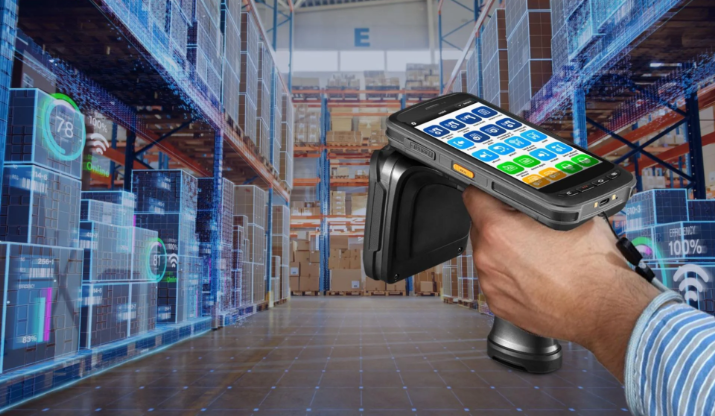
Understanding the Role of an RFID Integrator in Modern Business Systems
An RFID integrator plays a crucial role in helping businesses adopt and implement Radio Frequency Identification (RFID) technology effectively. RFID technology uses electromagnetic fields to automatically identify and track tags attached to objects, offering real-time visibility and data accuracy across operations. However, the technology itself is only part of the equation. The true success of an RFID deployment depends on how well it is designed, configured, and integrated into existing systems. This is where an RFID integrator becomes indispensable.
An RFID integrator evaluates a company’s operational needs and designs a customized solution that includes hardware, software, and system integration. They ensure that RFID readers, antennas, tags, and middleware communicate seamlessly with enterprise resource planning (ERP), warehouse management systems (WMS), or other business platforms. Without proper integration, even the most advanced RFID components can fail to deliver expected results.
In industries such as retail, logistics, healthcare, manufacturing, and supply chain management, RFID integration improves inventory accuracy, reduces human error, and enhances productivity. Instead of relying on manual barcode scanning, businesses can track hundreds of items simultaneously. This automation not only saves time but also reduces labor costs and operational bottlenecks.
Moreover, an RFID integrator does more than installation. They conduct feasibility studies, site surveys, pilot testing, and performance optimization. They also provide ongoing maintenance and upgrades to ensure the system evolves with business growth. By aligning technology with operational goals, RFID integrators help organizations gain a competitive edge in today’s data-driven marketplace.
Key Components and Technologies Managed by RFID Integrators
RFID systems consist of several interconnected components, and managing them requires technical expertise. An RFID integrator handles everything from selecting the right tags to configuring backend software systems. The primary components include RFID tags, readers, antennas, middleware, and integration software.
RFID tags are embedded with microchips and antennas that store data. They can be passive, active, or semi-passive depending on the application. Passive tags are cost-effective and widely used in retail and inventory management, while active tags offer longer read ranges for tracking high-value assets. An experienced integrator determines which tag type suits specific operational requirements.
RFID readers and antennas capture tag data and transmit it to software platforms. Proper placement and calibration are critical to avoid signal interference or read errors. Environmental factors such as metal surfaces, liquids, and electromagnetic noise can impact performance. RFID integrators conduct site analysis to optimize hardware positioning and minimize interference.
Middleware plays a vital role in filtering and managing data before it reaches enterprise systems. It eliminates duplicate reads, organizes information, and ensures accurate reporting. The integrator configures this middleware to align with company workflows and reporting structures.
Security and compliance are also major considerations. RFID systems often handle sensitive operational data. Integrators implement encryption protocols and access controls to protect information integrity. By managing all these components cohesively, RFID integrators create reliable, scalable solutions that enhance operational transparency.
Benefits of Hiring a Professional RFID Integrator for Business Growth
Businesses that attempt to implement RFID without professional guidance often face technical challenges, data inaccuracies, and costly system failures. Hiring a professional RFID integrator ensures smooth deployment and maximizes return on investment. One of the biggest advantages is strategic planning tailored to specific industry needs.
A skilled RFID integrator understands industry-specific challenges and regulatory requirements. For example, healthcare facilities require strict patient tracking and asset monitoring, while retail companies prioritize inventory visibility and shrinkage reduction. By customizing the solution, integrators ensure measurable improvements in efficiency.
Cost optimization is another major benefit. Although RFID implementation involves upfront investment, proper system design reduces long-term operational expenses. Automated tracking minimizes manual labor, reduces errors, and prevents inventory loss. Over time, these savings outweigh initial deployment costs.
Scalability is equally important. As businesses expand, their tracking and data management needs grow. A professional integrator designs systems that can scale without requiring complete overhauls. This future-proofing approach ensures sustainable growth.
Additionally, integrators provide training and technical support to employees. Proper user training improves system adoption and operational efficiency. Continuous monitoring and maintenance services further ensure optimal system performance. By partnering with an experienced intégrateur RFID organizations gain not only technical solutions but also strategic insights that drive long-term business success.
Industry Applications of RFID Integration Across Multiple Sectors
RFID integration has transformed various industries by providing real-time tracking and improved operational control. In the retail sector, RFID systems enable accurate inventory counts, faster stock replenishment, and enhanced customer experience. Retailers can track products from warehouses to store shelves, minimizing stockouts and overstock situations.
In logistics and supply chain management, RFID integration enhances shipment visibility and asset tracking. Companies can monitor goods in transit, reduce theft, and optimize route planning. Automated scanning at checkpoints speeds up loading and unloading processes, improving overall efficiency.
Healthcare institutions benefit significantly from RFID technology. Hospitals use RFID to track medical equipment, pharmaceuticals, and even patients. This reduces equipment misplacement, improves patient safety, and ensures compliance with healthcare regulations. Real-time tracking also enhances emergency response capabilities.
Manufacturing industries use RFID systems for production line automation and asset management. Components can be tracked throughout the assembly process, reducing errors and improving quality control. RFID integration also supports predictive maintenance by monitoring machinery usage and performance data.
Even sectors such as education, government, and hospitality are adopting RFID technology. From access control systems to event management and asset tracking, the applications are extensive. An experienced RFID integrator ensures that these solutions are customized to meet sector-specific demands while maintaining system reliability and efficiency.
See also: Mastering Advanced Lifeguarding Techniques
Choosing the Right RFID Integrator for Long-Term Success
Selecting the right RFID integrator is critical to achieving operational excellence. Businesses should evaluate integrators based on experience, technical expertise, industry knowledge, and customer support capabilities. A proven track record of successful implementations indicates reliability and competence.
Comprehensive consultation services are another important factor. A reputable integrator conducts detailed assessments before recommending solutions. They analyze workflows, identify bottlenecks, and propose strategies that align with business objectives. This consultative approach ensures that RFID systems deliver measurable results.
Customization capabilities also matter. Every business has unique operational challenges, and off-the-shelf solutions may not always suffice. The right integrator designs tailored systems that integrate seamlessly with existing infrastructure.
Ongoing support and maintenance services are equally essential. Technology evolves rapidly, and RFID systems require updates and optimization over time. Choosing an integrator that offers long-term technical support ensures consistent performance and minimal downtime.
Finally, businesses should consider scalability and innovation. A forward-thinking RFID integrator stays updated with emerging technologies such as IoT integration, cloud-based analytics, and AI-driven automation. These advanced capabilities enhance the value of RFID systems and prepare organizations for future growth.