Investing in the right packaging equipment can make or break operational efficiency for manufacturers, co-packers, and consumer goods companies alike. A well-designed packaging production line doesn’t just wrap or box products , it becomes the backbone of a facility’s throughput, product consistency, and overall production economics.
This guide walks through the key considerations businesses should evaluate when selecting a packaging production line, from understanding core components to planning for long-term scalability.
What Is a Packaging Production Line?
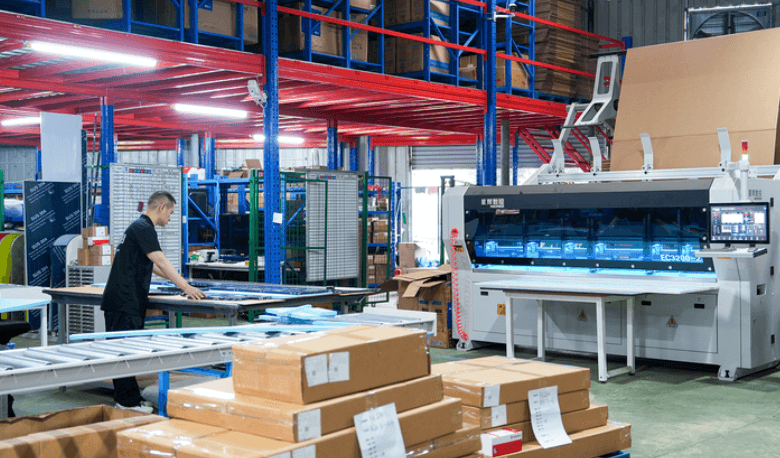
A packaging production line refers to an integrated system of machinery designed to automate one or more stages of the packaging process , from filling and sealing to labeling, wrapping, and final case packing. Modern packaging lines can range from relatively simple, single-function machines to fully integrated, multifunctional systems capable of handling multiple packaging steps in a continuous, automated workflow.
The right configuration depends heavily on a business’s specific product type, production volume, and packaging format requirements, making careful evaluation essential before committing to a particular system.
Why Investing in the Right Line Matters
Packaging equipment represents a significant capital investment, and the consequences of selecting a poorly matched system extend well beyond the initial purchase price. An undersized or poorly configured line can create bottlenecks that limit overall production capacity, while an oversized or overly complex system can result in unnecessary capital expenditure and increased maintenance complexity.
Getting this decision right from the start helps businesses avoid costly reconfigurations, production downtime, and lost efficiency down the road.
Key Components of a Modern Packaging Production Line
Understanding the typical components involved in a packaging production line helps buyers evaluate proposals and specifications more effectively.
- Feeding and Product Handling Systems – Move products into the packaging process in a controlled, consistent manner
- Filling or Dosing Equipment – For products requiring precise volume or weight measurement before packaging
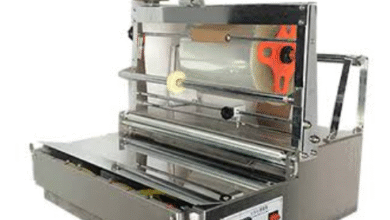
- Wrapping or Sealing Machinery – Applies the primary packaging material, whether film, cellophane, cartons, or other formats
- Labeling and Coding Systems – Applies product labels, batch codes, or other required information
- Conveying Systems – Transports products between different stages of the packaging process
- Quality Control and Inspection Stations – Identifies defects or inconsistencies before products reach final packaging
The specific combination and configuration of these components varies significantly based on the product type and desired level of automation.
Factors to Consider When Selecting a Packaging Line
Production Volume Requirements
Understanding current and projected future production volumes is essential for selecting appropriately sized equipment. Lines that are undersized for actual demand create bottlenecks, while excessively oversized systems represent unnecessary capital investment.
Product Characteristics
Different products have different handling, filling, and packaging requirements. Fragile items, irregularly shaped products, or items requiring specific environmental controls during packaging all influence which equipment configurations are appropriate.
Packaging Format Flexibility
Businesses that produce multiple product variants or package sizes should consider how easily a given production line can be reconfigured to handle different formats, as frequent changeovers can significantly impact overall production efficiency if the equipment isn’t designed for flexibility.
Level of Automation
Packaging lines range from largely manual operations with some automated assistance to fully automated, multifunctional systems requiring minimal manual intervention. The appropriate level of automation depends on production volume, labor costs, and available capital investment.
Packaging Line Evaluation Framework
The table below outlines key criteria buyers should use when comparing potential packaging production line options.
| Evaluation Criteria | Why It Matters | Questions to Ask Suppliers |
| Production Throughput | Determines if the line meets volume needs | What is the rated output per hour/shift? |
| Format Flexibility | Affects ability to handle product variety | How quickly can the line be reconfigured for different products? |
| Automation Level | Impacts labor requirements and consistency | What manual intervention is required during operation? |
| Footprint/Space Requirements | Affects facility layout planning | What are the total space requirements for installation? |
| Integration Capability | Affects compatibility with existing systems | Can the line integrate with existing upstream/downstream equipment? |
| Maintenance Requirements | Impacts long-term operational costs | What is the recommended maintenance schedule? |
| Technical Support | Affects uptime and troubleshooting speed | What after-sales support and training is provided? |
Using this framework helps buyers move beyond comparing base pricing alone and consider the full operational picture when evaluating packaging line investments.
Planning for Scalability
Businesses experiencing growth or anticipating future expansion should carefully consider how a packaging production line investment aligns with long-term growth plans. Modular systems that allow for future capacity additions or component upgrades can provide valuable flexibility compared to fixed, non-expandable configurations, particularly for businesses uncertain about their exact future volume requirements.
Integration with Existing Operations
For facilities with existing production equipment, evaluating how a new packaging line will integrate with upstream processes (such as manufacturing or filling operations) and downstream processes (such as case packing or palletizing) is critical to avoiding bottlenecks elsewhere in the production workflow.
Working with suppliers experienced in full production line integration, rather than standalone equipment sales, often provides better long-term outcomes for facilities looking to optimize their entire packaging workflow.
Total Cost of Ownership Considerations
When evaluating packaging production line investments, buyers should look beyond the initial purchase price to consider the full total cost of ownership, including installation costs, ongoing maintenance and consumable requirements, energy consumption, required staff training, and expected equipment lifespan.
A comprehensive cost analysis often reveals that a higher-quality, appropriately specified system delivers better long-term value than a lower-cost option that may require more frequent maintenance or fail to meet production requirements as the business grows.
Choosing the Right Equipment Supplier
Selecting a knowledgeable, experienced supplier is just as important as selecting the right equipment specifications. Buyers should evaluate potential suppliers based on their experience with similar applications, availability of technical support and training, and their track record of reliable equipment performance and service.
Final Thoughts
Selecting the right packaging production line is a significant decision that affects operational efficiency, product quality, and long-term production costs. By carefully evaluating production volume needs, format flexibility, automation requirements, and total cost of ownership, businesses can make more informed investment decisions that support both current operations and future growth.
Partnering with an experienced supplier of packaging production line systems, one capable of providing tailored guidance based on specific product and volume requirements, ultimately helps businesses achieve a packaging solution that delivers lasting operational value.