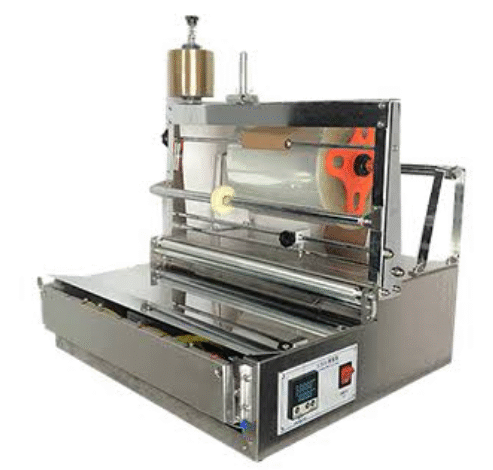
Keeping a cellophane overwrapping machine running reliably day after day requires more than just quality equipment , it demands a proactive maintenance program and a clear understanding of common operational issues. For businesses that depend on consistent packaging output, unplanned downtime from equipment issues can quickly disrupt production schedules and delay shipments.
This guide focuses specifically on the maintenance practices and troubleshooting knowledge that keep cellophane overwrapping equipment performing reliably over its operational lifespan.
Why Preventive Maintenance Matters
Cellophane overwrapping machines involve multiple moving parts, heating elements, and precision film-handling mechanisms, all of which are subject to wear over time. Without a structured preventive maintenance program, businesses risk unexpected breakdowns, reduced wrapping quality, and ultimately higher long-term repair costs compared to a well-maintained machine.
A proactive maintenance approach helps identify potential issues before they escalate into significant equipment failures, minimizing unplanned downtime and supporting more predictable production scheduling.
Core Components Requiring Regular Maintenance
Sealing Elements
The heat sealing components responsible for creating secure, consistent seams around wrapped products require regular inspection and cleaning, as residue buildup or wear can affect seal quality over time. Periodic replacement of sealing elements is typically necessary as part of routine maintenance schedules.
Film Feed and Tension Systems
The mechanisms responsible for drawing and positioning film during the wrapping process require regular attention to ensure consistent tension and alignment, as improper film tension can lead to wrapping defects or increased film waste.
Conveyor and Product Handling Components
Conveyor belts, guides, and product handling mechanisms experience ongoing wear from continuous operation and should be inspected regularly for signs of wear, misalignment, or damage that could affect product handling consistency.
Electrical and Control Systems
Modern cellophane overwrapping machines rely on electronic control systems to manage timing, temperature, and other critical operational parameters. Regular inspection of electrical connections and control system calibration helps prevent performance drift that could affect wrapping consistency.
Recommended Maintenance Schedule Framework
While specific maintenance requirements vary by manufacturer and equipment model, the table below outlines a general framework for maintenance activity frequency that businesses can use as a starting point, adjusted based on manufacturer recommendations and actual usage intensity.
| Maintenance Activity | Recommended Frequency | Purpose |
| Visual Inspection & Cleaning | Daily | Identify visible wear, debris, or misalignment early |
| Sealing Element Inspection | Weekly | Ensure consistent seal quality |
| Film Tension Calibration Check | Weekly | Prevent wrapping defects from tension drift |
| Lubrication of Moving Parts | Monthly | Reduce wear on mechanical components |
| Electrical/Control System Check | Quarterly | Ensure consistent timing and operational accuracy |
| Comprehensive Professional Service | Annually | Address wear issues before they cause failures |
Businesses should always defer to manufacturer-specific maintenance guidelines, using this framework as a general planning reference rather than a definitive schedule.
Common Operational Issues and Their Causes
Inconsistent or Weak Seals
Weak or inconsistent sealing is often related to sealing element temperature calibration issues, worn sealing components, or incorrect film compatibility with current machine settings. Addressing this typically involves checking temperature settings, inspecting sealing elements for wear, and confirming film specifications match equipment requirements.
Film Wrinkling or Misalignment
Wrinkled or misaligned film during the wrapping process often points to film tension issues, guide misalignment, or problems with film roll positioning. Regular calibration checks and proper film loading procedures help minimize this issue.
Product Jams or Handling Issues
Jams or inconsistent product handling can result from conveyor misalignment, incorrect product size settings, or product characteristics that fall outside the machine’s optimal handling parameters. Reviewing product specifications against machine settings often resolves these issues.
Reduced Wrapping Speed or Throughput
Gradual declines in wrapping speed or throughput can indicate accumulated wear across multiple components, making this a useful indicator that a more comprehensive maintenance review may be needed.
Building an Effective Maintenance Program
Staff Training
Ensuring maintenance and operational staff are properly trained on both routine maintenance procedures and basic troubleshooting techniques helps businesses address minor issues quickly, reducing dependency on external service calls for straightforward problems.
Spare Parts Inventory
Maintaining an appropriate inventory of commonly needed replacement parts , such as sealing elements or film guides , helps minimize downtime when maintenance issues do arise, avoiding delays associated with waiting for parts to be ordered and shipped.
Documentation and Tracking
Keeping detailed maintenance records, including completed maintenance activities and any issues encountered, helps identify patterns over time and supports more informed decisions about when equipment upgrades or more significant repairs might become necessary.
Working with Equipment Suppliers
Establishing a strong relationship with your equipment supplier or manufacturer provides access to technical support, genuine replacement parts, and manufacturer-specific maintenance guidance that can significantly improve long-term equipment reliability.
When to Consider Professional Service
While many routine maintenance tasks can be handled by trained internal staff, certain issues , particularly those involving electrical systems, precision calibration, or significant mechanical wear , often benefit from professional technician service. Establishing a relationship with a qualified service provider, ideally one with specific experience on your equipment model, helps ensure more complex maintenance and repair needs are addressed correctly.
Final Thoughts
A well-structured maintenance program is essential for keeping cellophane overwrapping equipment operating reliably and efficiently over its full operational lifespan. By understanding common maintenance requirements, recognizing early warning signs of developing issues, and building strong relationships with equipment suppliers, businesses can minimize unplanned downtime and protect their investment in packaging equipment.
Choosing a cellophane overwrapping machine from a supplier who provides strong ongoing technical support and readily available replacement parts ultimately makes long-term maintenance significantly easier to manage.