For city transportation departments and municipal infrastructure planners, procuring vehicle traffic signal equipment involves far more than simply selecting a product , it requires careful project planning, budget management, and coordination across multiple stakeholders to ensure successful roadway safety outcomes. Understanding the full scope of considerations involved in vehicle traffic signal procurement helps municipalities execute infrastructure projects more effectively.
This guide focuses specifically on the municipal planning and procurement side of traffic signal projects, covering budget considerations, project coordination, and long-term infrastructure planning.
The Scope of Municipal Traffic Signal Projects
Traffic signal infrastructure projects typically extend well beyond the signal equipment itself, encompassing intersection design and engineering, controller and communication system integration, installation labor and construction coordination, and ongoing maintenance planning across the equipment’s operational lifespan. Municipal planners need to consider this full scope when budgeting and scheduling traffic signal infrastructure investments.
Budget Planning Considerations
Capital Equipment Costs
The direct cost of traffic signal equipment, including signal heads, mounting hardware, and associated components, represents one significant budget line item, though municipalities should plan for this as part of a broader project budget rather than viewing it in isolation.
Installation and Construction Costs
Installation costs, including any necessary construction work, electrical infrastructure, and labor, often represent a substantial portion of total project cost, and should be carefully estimated based on specific intersection conditions and any required infrastructure modifications.
Ongoing Maintenance Budget Planning
Municipalities should also plan for ongoing maintenance costs across the equipment’s operational lifespan, including routine inspection, occasional component replacement, and eventual full system replacement planning as equipment approaches the end of its useful service life.
Project Planning Framework
The table below outlines key planning considerations across the typical phases of a municipal traffic signal infrastructure project.
| Project Phase | Key Planning Considerations | Common Stakeholders Involved |
| Initial Assessment | Intersection traffic study, safety needs analysis | Traffic engineers, planning department |
| Design & Engineering | Signal placement, timing plan development | Engineering consultants, city planners |
| Procurement | Equipment selection, vendor evaluation | Procurement office, transportation department |
| Installation | Construction coordination, traffic management during work | Contractors, public works department |
| Ongoing Operations | Maintenance scheduling, performance monitoring | Maintenance crews, transportation department |
Understanding this full project lifecycle helps municipal planners coordinate effectively across departments and avoid gaps in planning that could delay project completion or create budget overruns.
Public Bidding and Procurement Processes
Most municipal traffic signal projects involve formal public bidding or procurement processes, requiring detailed technical specifications, vendor qualification criteria, and transparent evaluation processes to ensure fair, compliant procurement outcomes. Municipalities should work closely with their procurement offices and legal counsel to ensure specifications are detailed enough to secure quality equipment while remaining compliant with applicable public procurement regulations.
Evaluating Vendor Qualifications for Municipal Projects
Beyond basic product specifications, municipal buyers should evaluate potential vendors based on their experience with similar municipal infrastructure projects, ability to provide necessary certification and compliance documentation, warranty terms and long-term support commitments, and their track record of reliable delivery timelines for public infrastructure projects.
Coordinating with Broader Traffic Management Systems
Many municipalities are increasingly integrating traffic signals into broader, connected traffic management systems that allow for centralized monitoring, adaptive timing adjustments, and improved incident response capabilities. When planning new traffic signal installations or upgrades, municipalities should consider how new equipment will integrate with existing or planned traffic management infrastructure to maximize long-term operational value.
Managing Construction and Installation Impact
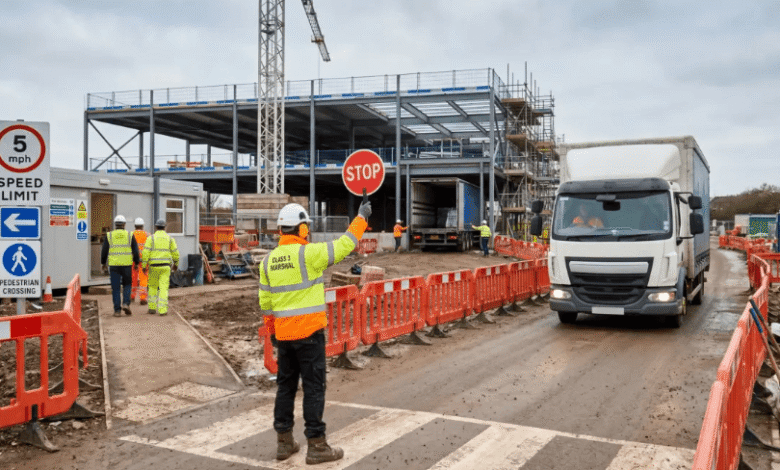
Traffic signal installation or replacement projects often require careful traffic management planning during the construction phase itself, including temporary traffic control measures, public communication about expected disruptions, and coordination with emergency services to ensure continued safe roadway operation throughout the installation period.
Long-Term Infrastructure Planning
Equipment Lifecycle Planning
Municipalities benefit from maintaining clear records of traffic signal equipment age and condition across their jurisdiction, supporting proactive replacement planning rather than reactive responses to equipment failures that could create safety risks or unexpected budget demands.
Standardization Considerations
Many municipalities benefit from standardizing on consistent traffic signal equipment specifications across their jurisdiction, simplifying maintenance training, spare parts inventory management, and long-term vendor relationships compared to maintaining a highly varied equipment inventory across different intersections.
Grant Funding and Infrastructure Investment Programs
Municipalities should also research available grant funding or infrastructure investment programs that may help offset traffic signal upgrade costs, particularly for projects tied to broader safety improvement or smart city infrastructure initiatives.
Working with Experienced Suppliers on Municipal Projects
Given the complexity and public accountability involved in municipal infrastructure procurement, working with suppliers experienced in serving municipal and government clients can provide valuable support throughout the procurement and installation process, including assistance navigating certification requirements and providing the detailed technical documentation often required for public procurement processes.
Final Thoughts
Successful municipal vehicle traffic signal infrastructure projects require careful coordination across budget planning, procurement processes, installation logistics, and long-term maintenance considerations. By understanding this full project scope and working closely with experienced vendors and internal stakeholders, municipalities can execute traffic signal projects that deliver lasting safety and operational benefits for their communities.
Partnering with an experienced provider of vehicle traffic signal equipment, one familiar with the specific requirements of municipal infrastructure procurement, ultimately helps transportation departments execute successful, well-supported traffic signal projects from planning through long-term operation.