Boba tea has grown far beyond the familiar combination of milk tea and chewy tapioca pearls. Today, the menu at a good boba shop can include floral teas, fruit drinks, brown sugar milk, cheese foam, jelly toppings, and caffeine-free options. That variety is part of what makes the drink category so popular.
Understanding the different types of boba tea can make ordering easier, especially for first-time customers. It can also help regular drinkers move beyond their usual order and find combinations that better match their taste preferences.
What Defines the Different Types of Boba Tea?
Most types of boba tea are built from the same basic elements: a tea or non-tea base, a sweetener or flavoring, a milk component if desired, and one or more toppings.
The tea base determines much of the drink’s character. Black tea tends to be richer and more robust, while green tea is lighter and often works well with citrus or fruit flavors. Oolong offers a more aromatic middle ground, with a toasted or floral profile depending on the variety.
Then come the additions. Milk, creamer, fruit puree, brown sugar syrup, and toppings all change the final result. Two drinks can use the same tea but taste completely different once the rest of the recipe is adjusted.
Types of Boba Tea Based on Tea Varieties
Black Tea Boba Drinks
Black tea is one of the most familiar foundations for classic milk tea. It has a full-bodied flavor that holds up well against creaminess, sugar, and richer toppings.
This makes black tea a natural fit for traditional bubble milk tea, brown sugar milk tea, and roasted-flavor drinks. Customers who enjoy a stronger tea taste often prefer black tea because it does not disappear behind the milk or syrup.
For someone trying the classic types of boba tea, black milk tea with tapioca pearls is usually a reliable place to start.
Green Tea Boba Drinks
Green tea has a fresher and lighter profile. It is commonly paired with fruit flavors such as lemon, passion fruit, mango, peach, or lychee.
Many green tea boba drinks feel more refreshing than creamy milk tea options, particularly when they are served cold with fruit-based toppings. The slight grassy or floral note of green tea can also help balance sweeter syrups.
This category is a good option for customers who want a drink that feels bright rather than rich.
Oolong Tea Boba Drinks
Oolong tea sits between black and green tea in terms of oxidation and flavor. Depending on the blend, it can be floral, roasted, smooth, or slightly nutty.
Oolong works especially well in milk tea because it brings more aroma and depth without becoming overly heavy. It can also pair nicely with fruit, honey, or sugar cane flavors.
Among the different types of boba tea, oolong-based drinks are often a good choice for people who want something more tea-forward and less sweet.
Herbal and Caffeine-Free Options
Not every boba drink needs a traditional tea base. Some shops offer winter melon drinks, fruit infusions, herbal blends, or juice-based beverages.
These options are useful for customers avoiding caffeine, younger drinkers, or anyone looking for a lighter alternative. They can still include toppings such as boba, coconut jelly, aiyu jelly, or popping boba.
Caffeine-free drinks also give boba shops more flexibility when building menus for families and mixed-age groups.
Creamy Types of Boba Tea
Milk tea remains one of the most popular categories in the boba world. However, “milk tea” can mean different things depending on the ingredients used.
Some drinks use fresh dairy milk for a clean, creamy texture. Others use non-dairy creamer, which can create a richer and more consistent mouthfeel. Plant-based choices such as oat milk, soy milk, almond milk, or coconut milk are also increasingly common.
Fresh Milk Tea
Fresh milk tea is often less heavy than traditional creamer-based milk tea. It lets more of the tea flavor come through and can feel cleaner on the palate.
This style works particularly well with high-quality black tea, oolong tea, and brown sugar boba. Many customers choose it when they want a creamier drink without the thicker texture associated with powdered creamers.
Brown Sugar Milk Drinks
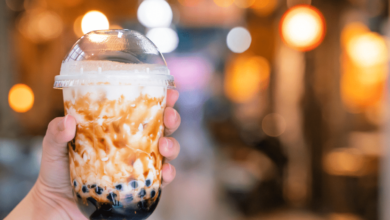
Brown sugar milk drinks are among the more indulgent types of boba tea. They often feature warm brown sugar syrup layered around the cup, fresh milk, and soft tapioca pearls.
Some versions do not contain tea at all, which makes them an option for people who enjoy boba but do not want caffeine. The flavor is rich, caramel-like, and closer to a dessert than a classic tea drink.
Cheese Foam and Specialty Cream Toppings
Cheese foam is a lightly salted, creamy topping that sits on top of tea or fruit drinks. It may sound unusual at first, but the slight savory note can balance sweet fruit tea or floral green tea surprisingly well.
Other shops may offer whipped cream, milk foam, or flavored cold foam. These toppings add another layer of texture and make the drink feel more substantial.
Toppings That Change the Boba Experience
The toppings are one of the main reasons boba drinks are so customizable. They affect not only flavor, but also texture.
Tapioca Pearls
Tapioca pearls are the classic boba topping. They are made from tapioca starch and are known for their chewy texture.
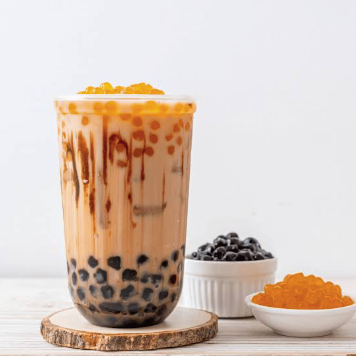
Brown sugar pearls are especially popular because they add a deeper sweetness. Honey pearls are usually lighter and more floral, while crystal boba offers a more delicate, jelly-like chew.
Jelly Toppings
Grass jelly has a mild herbal flavor and a soft, slippery texture that contrasts well with milk tea. Coconut jelly is sweeter and more tropical. Aiyu jelly is often used in citrus drinks because it feels light and refreshing.
Red bean, pudding, aloe, and agar-based toppings are also common in some menus. These options can make a drink feel closer to a snack or dessert.
Popping Boba
Popping boba contains fruit-flavored juice inside a thin outer layer. When bitten, it bursts in the mouth.
It is usually paired with fruit tea, lemonade-style drinks, or slushes. Mango, strawberry, lychee, and passion fruit are common flavors.
For customers who do not enjoy the chewiness of tapioca pearls, popping boba offers a fun alternative.
Fruity Types of Boba Tea
Fruit tea is a major category for people who prefer a lighter, more refreshing drink. These beverages often combine tea with fruit syrups, juice, puree, or fresh fruit.
Popular flavors include mango, lychee, peach, passion fruit, lemon, grapefruit, strawberry, and kumquat. Green tea and jasmine tea are often used as the base because their lighter flavor works well with citrus and tropical ingredients.
Fruit tea can be served with regular boba, but many customers prefer toppings such as popping boba, aloe, coconut jelly, or aiyu jelly.
How to Choose the Right Boba Tea for You
With so many types of boba tea, a simple way to decide is to start with the kind of experience you want.
Choose a black or oolong milk tea if you prefer something creamy and tea-forward. Try fruit tea with green tea if you want a bright, refreshing option. Go for brown sugar milk if you are in the mood for something rich and dessert-like.
Toppings also matter. Tapioca pearls are ideal for a classic chew, while jelly toppings are lighter and popping boba adds a burst of fruit flavor.
The best part is that boba tea is made for customization. Sugar level, ice level, milk choice, tea base, and toppings can all be adjusted to create a drink that feels personal.
Conclusion
The many types of boba tea make the category much more interesting than a single classic recipe. From robust black milk tea to fragrant oolong, tropical fruit tea, brown sugar milk, and caffeine-free drinks, there is room for nearly every preference.
Once you understand how tea bases, milk options, flavors, and toppings work together, it becomes easier to explore a menu with confidence.