Ground stability is the foundation of every successful mining, tunneling, or underground construction project. Without proper rock reinforcement, excavations become dangerous and unpredictable. That’s why sourcing from dependable rock bolt suppliers is one of the most important procurement decisions an engineering or mining team can make.
This guide walks through a practical, step-by-step approach to evaluating rock bolt suppliers, so that procurement teams and site engineers can make confident, well-informed purchasing decisions.
Why Supplier Selection Deserves Careful Attention
Rock bolts are load-bearing safety components. A defect in manufacturing, an inconsistency in steel grade, or a poorly calibrated expansion shell can mean the difference between a stable excavation and a dangerous collapse. Unlike many other construction materials, rock bolts don’t offer much room for error , which is why the supplier behind the product matters just as much as the product specification itself.
Businesses that treat supplier selection as a purely price-driven decision often end up facing higher long-term costs through project delays, safety incidents, or costly replacements. A more strategic approach considers the supplier’s manufacturing capability, quality assurance processes, and ability to support the project technically from start to finish.
Step 1: Assess Product Range and Technical Capability
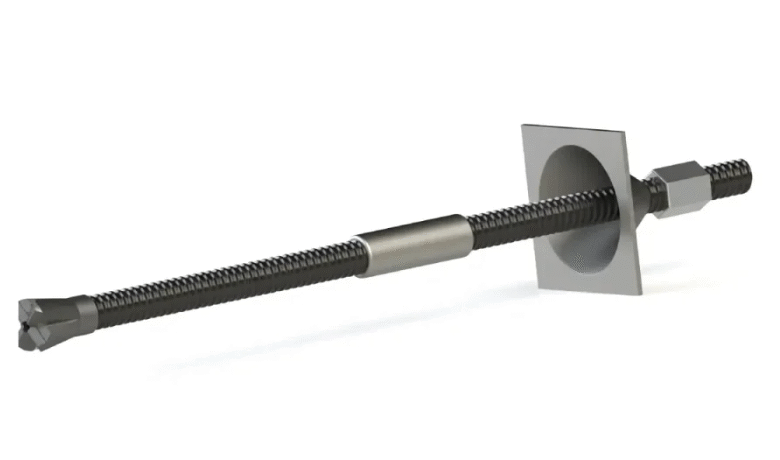
The first step in evaluating any supplier is understanding the breadth and depth of their product offering. Established rock bolt suppliers typically manufacture multiple bolt types, including mechanical anchor bolts, resin-grouted bolts, friction-based split sets, and cable bolts for deeper reinforcement needs.
A supplier with a narrow product range may not be able to support projects that encounter varying ground conditions across different sections of a site. On the other hand, a supplier offering a full range of bolt types , along with the technical knowledge to recommend the right solution for specific geology , adds significant value beyond simply selling hardware.
Step 2: Verify Manufacturing Standards and Certifications
Quality assurance is non-negotiable when it comes to safety-critical ground support products. Before committing to a supplier, buyers should request documentation such as mill test certificates, tensile strength reports, and any relevant ISO or industry-specific certifications.
Reliable suppliers are typically transparent about their testing procedures and willing to share data demonstrating consistent product performance. If a supplier is hesitant to provide this documentation, it’s often a red flag worth taking seriously.
Step 3: Evaluate Production Capacity and Lead Times
Large mining and tunneling projects often require substantial volumes of rock bolts delivered on a consistent schedule. A supplier’s production capacity directly affects their ability to meet these demands without delays.
When evaluating capacity, ask about the supplier’s typical lead times, their ability to scale production for large orders, and whether they maintain buffer stock for common bolt specifications. This information helps project planners avoid supply bottlenecks that could stall construction timelines.
Step 4: Review Corrosion Protection Options
Underground environments vary widely in terms of moisture, mineral composition, and chemical exposure , all of which can accelerate corrosion in standard steel bolts. Quality suppliers typically offer a range of corrosion protection options, including galvanization, epoxy coatings, and stainless steel variants for particularly aggressive environments.
Buyers operating in high-corrosion environments should specifically ask suppliers about performance data or case studies from similar site conditions, rather than relying solely on generic product descriptions.
Step 5: Assess Technical and Installation Support
The best rock bolt suppliers don’t just sell products , they act as technical partners throughout the project lifecycle. This can include assistance with bolt pattern design, spacing recommendations based on rock mass classification, and on-site installation training for crews.
This kind of support is especially valuable for projects operating in complex or variable geological conditions, where selecting the wrong bolt type or installation method can significantly reduce reinforcement effectiveness.
Comparing Rock Bolt Suppliers: A Practical Framework
The table below offers a structured framework that procurement teams can use to score and compare potential suppliers side by side.
| Comparison Criteria | Supplier A | Supplier B | Supplier C |
| Product Range (bolt types offered) | |||
| Certification & Testing Documentation | |||
| Production Capacity | |||
| Corrosion Protection Options | |||
| Technical/Installation Support | |||
| Pricing Competitiveness | |||
| Delivery Reliability | |||
| After-Sales Service |
Using a scoring framework like this , rating each supplier on a consistent scale , helps remove bias from the decision-making process and ensures that all relevant factors are weighed appropriately.
The Risk of Choosing Based on Price Alone
It can be tempting to select the lowest-cost bidder, particularly on large projects where material costs add up quickly. However, choosing rock bolt suppliers based solely on price carries significant risk. Lower-cost products may use substandard steel grades, skip quality testing steps, or lack proper corrosion protection , all of which can lead to premature failure and costly rework.
A more balanced approach weighs price alongside quality, certification, and support, recognizing that the true cost of a rock bolt includes not just the purchase price, but the potential cost of failure, delays, or safety incidents.
International Sourcing and Logistics
Many mining and construction companies source rock bolts from international manufacturers to access competitive pricing and specialized production capabilities. When sourcing internationally, it’s important to evaluate a supplier’s experience with export documentation, packaging for long-distance shipping, and compliance with the destination country’s technical standards.
Suppliers with an established track record of international trade are generally better equipped to handle these logistical complexities smoothly, reducing the risk of customs delays or documentation issues that could impact project timelines.
Building Long-Term Supplier Relationships
Rather than sourcing rock bolts on a purely transactional, project-by-project basis, many companies find greater value in building long-term relationships with trusted suppliers. This approach offers several practical benefits:
- More consistent product quality across multiple projects
- Improved pricing through long-term purchasing agreements
- Faster turnaround on urgent or emergency orders
- A supplier who understands your specific project history and requirements
- Early access to new product developments or technical improvements
Over time, this kind of partnership reduces the administrative burden of vetting new vendors repeatedly and helps maintain consistent ground support standards across an organization’s various projects.
Questions to Ask Before Finalizing a Supplier
Before signing a purchase agreement, it’s worth directly asking potential rock bolt suppliers a few key questions:
- Can you provide recent test certificates for the specific bolt type we require?
- What is your typical lead time for an order of this size?
- Do you offer technical support for bolt selection based on our site’s geology?
- What corrosion protection options are available for our environmental conditions?
- Can you provide references from similar past projects?
The clarity and confidence with which a supplier answers these questions often says as much about their reliability as the answers themselves.
See also:Building Opportunity and Prosperity Through Business in Andorra
Final Thoughts
Choosing the right rock bolt suppliers is a decision that carries real consequences for project safety, timelines, and overall cost. By evaluating suppliers systematically , considering product range, certifications, production capacity, corrosion protection, and technical support , procurement teams can make decisions that protect both their projects and their workforce.
Ultimately, a strong partnership with experienced rock bolt suppliers provides far more value than a simple transactional purchase, offering the technical expertise and reliability needed to support safe, efficient underground operations over the long term.