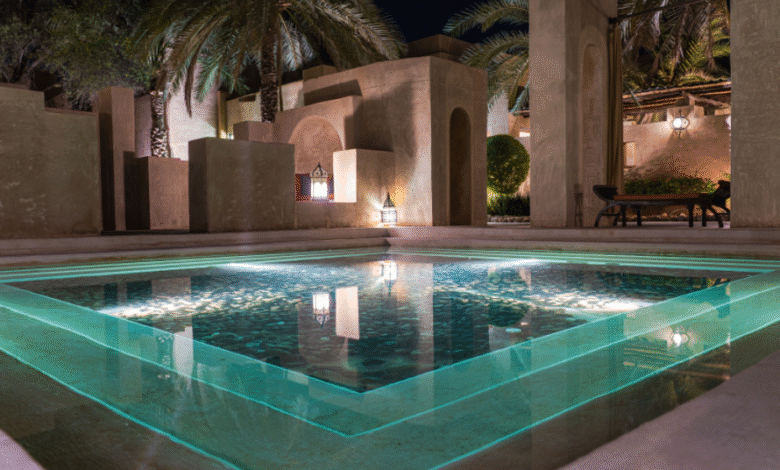
When you start a swimming pool, choosing materials is probably the most serious choice, even if people think the design and size are all that matters. The truth is, what you build with during construction impacts how long the pool lasts, how often you have to deal with maintenance, and how it performs when the weather is acting up. If you get it early, you can be more ready to choose options that match your budget and your long term expectations, not just what looks good on day one.
If you’re planning a fresh backyard retreat, or you’re upgrading an older outdoor area, it helps to understand the basics of swimming pool construction in Dubai. That way you can see why material selection isn’t a small detail at all. In Dubai the climate is hot, the sun is strong, and temperatures keep shifting, so the construction materials need to resist everyday wear while still keeping a clean look, and the structure needs to stay solid.
Why Pool Construction Materials Matter
Honestly, every bit of a swimming pool does something different. The body gives the real backbone, the inside coating is what you see every day, and the surrounding areas help with comfort and safety too. When you choose solid materials, you can avoid a bunch of repairs, get better energy performance, and keep the whole pool working longer.
A lot of homeowners only look at what it costs at the start, but lower priced supplies can turn into higher maintenance costs later on. A well-built swimming pool is like a long-term deal, it should keep paying you back for years, so durability really matters, even if appearance feels like the main topic.
What to Know Before Choosing Swimming Pool Construction Materials
Understanding the Pool Structure
The structural shell is basically the base of the pool, it has to hold everything together. Reinforced concrete is still a go-to option because it gives strong support, and it also allows lots of design flexibility. You can shape it so it fits nearly any layout, which makes it a fit for both newer looks and older properties.
Fiberglass pools are also popular these days. They are produced off site and installed as one finished unit, so the build can move quicker. Plus, the smooth surface can support less algae build up, which means maintenance feels a bit easier over time.
Vinyl-lined pools often get picked because installation tends to be cheaper up front. Still, the liner can wear out and need swapping eventually, so it may not be the best choice for people who want a long-term setup with minimal upkeep, because that plan can get complicated later.
Choosing the Right Interior Finish
The pool finish kind of changes everything really, in terms of look and comfort. Traditional plaster is still a go to option because it stays affordable and gives a tidy classic vibe. But it might need resurfacing after a few years of daily use, especially if the pool gets a lot of traffic.
Pebble finishes have become more common lately because they’re tough, and they hold up well against wear. They also give that more organic look that tends to blend into outdoor surroundings naturally. Quartz finishes, at the same time, bring along durability plus a smoother feel, and they generally resist staining better than standard plaster.
Glass mosaic tiles are more of a premium finish choice, and they can create a pretty refined visual effect. Even though the first cost is higher, they’re often praised for a long service life and for keeping their appearance, year after year, without much drama.
Selecting Suitable Decking Materials
The space around the pool should feel comfortable, look good, and stay safe. Natural stone is often favored for its timeless look, and it usually lasts well too. Many types of stone stay comparatively cooler under direct sun, so they’re easier on bare feet.
Concrete decking is another workable route because it gives flexibility in design, and you can make it textured or stamped to mimic more costly surfaces. Porcelain tiles are also getting picked more often, mainly because they resist moisture, don’t fade as easily, and provide better traction so slipping is reduced.
Homeowners should think about how materials actually behave in local weather, not only how they look at first.
Climate and Maintenance Considerations
The environment kind of messes with everything in a swimming pool. Sunlight, heat, chemicals, and water being around day after day will slowly affect virtually every surface. If you pick materials that are made for those real conditions, you usually end up with fewer headaches like cracking, fading, or ugly discoloration later on.
And yeah, maintenance should be part of the decision too. Some finishes need more frequent cleaning or resurfacing, others keep their look with way less effort. Buying durable materials can mean you pay less over time, not just at the start, because you’re not constantly fixing small issues.
See also: Transforming Brand Narratives into Business Assets
Working with Experienced Professionals
Even the best materials won’t perform well if they are installed the wrong way. Good planning, accurate building practices, and solid professional workmanship matter just as much. Contractors with experience know which materials fit different property types and different outdoor conditions.
Working with a trusted group, like Taj Mahal LLC, helps homeowners get helpful, practical guidance during the selection process. That kind of professional know how helps make sure each choice works not only for its appearance, but also for durability, overall performance, and long term value.
Conclusion
Choosing swimming pool construction materials is kind of more than just making a nice outdoor area. It also touches on durability, how often you have to maintain it, safety matters, and yes, the real ownership expenses over time. If someone pauses a bit to compare structural materials, interior finishes, and even the surrounding surfaces, homeowners usually end up with choices that feel more confident and hold up better in the long run.
A properly planned pool, built with solid materials, can deliver enjoyment for years while cutting down on the constant repairs and refurbishments that nobody really wants. When you focus on long-term performance, not the quick savings today, you can end up with a swimming pool that stays beautiful, works well, and keeps value for many years ahead.