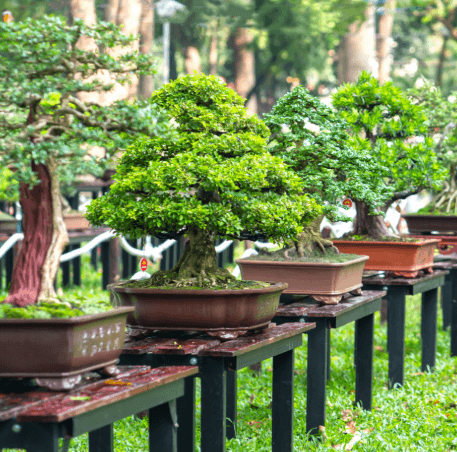
The demand for bonsai trees has grown steadily over the years, driven by their popularity as decorative pieces, gifts, and centerpieces for retail garden centers, home décor stores, and specialty plant shops. For businesses looking to capitalize on this trend, sourcing from a reliable bonsai tree wholesale supplier is one of the most important decisions they’ll make when building or expanding a bonsai product line.
In this guide, we’ll explore what buyers should know about the bonsai wholesale market, the different types of bonsai trees commonly available, and the key factors to consider when selecting a wholesale supplier.
Understanding the Bonsai Market
Bonsai, the ancient art of cultivating miniature trees in containers, originated in China and was later refined in Japan into the practice widely recognized today. Modern bonsai trees are prized not only for their aesthetic appeal but also for the patience and craftsmanship involved in shaping and maintaining them over time.
Today, bonsai trees are sold through a wide range of retail channels, including garden centers, home décor stores, online marketplaces, florists, and specialty gift shops. For retailers and distributors, purchasing bonsai trees wholesale allows them to offer these products at competitive prices while maintaining healthy profit margins.
Why Buy Bonsai Trees Wholesale?
Purchasing bonsai trees through wholesale channels offers several advantages for retailers, landscapers, event planners, and other businesses looking to incorporate bonsai into their offerings.
Cost Efficiency
Buying in bulk directly from a wholesale grower significantly reduces the per-unit cost compared to purchasing individual trees at retail prices. This allows businesses to maintain healthy margins even while offering competitive pricing to their own customers.
Consistent Supply
Established wholesale suppliers typically maintain large growing operations, ensuring a steady and reliable supply of trees throughout the year. This consistency is essential for retailers who need to keep their shelves stocked and meet ongoing customer demand.
Variety and Selection
Wholesale suppliers often cultivate a wide range of bonsai species, sizes, and styles, giving buyers access to greater variety than they might find through smaller, individual sellers. This allows retailers to diversify their product offerings and appeal to a broader customer base.
Quality Control
Reputable wholesale growers typically follow strict cultivation practices, ensuring healthy root systems, proper pruning, and disease-free trees. This reduces the risk of receiving poor-quality plants that could lead to customer dissatisfaction or returns.
Popular Bonsai Species Available Through Wholesale Suppliers
Wholesale bonsai nurseries typically offer a variety of species suited to different climates, skill levels, and aesthetic preferences. Some of the most commonly available species include:
- Juniper Bonsai – Popular for their hardiness and classic bonsai appearance, often recommended for beginners.
- Ficus Bonsai – Known for their adaptability to indoor environments, making them ideal for retail and home décor settings.
- Chinese Elm Bonsai – Valued for their fine leaves and resilience, suitable for both indoor and outdoor placement.
- Japanese Maple Bonsai – Prized for their striking seasonal color changes, often used as premium decorative pieces.
- Pine Bonsai – A traditional choice associated with classic bonsai artistry, typically requiring outdoor cultivation.
- Jade Bonsai – Popular for their thick, succulent-like leaves and low maintenance requirements.
Understanding which species perform well in different climates and retail environments helps buyers make informed purchasing decisions when sourcing bonsai trees wholesale.
Key Factors to Consider When Choosing a Wholesale Bonsai Supplier
Selecting the right wholesale partner involves more than just comparing prices. The table below outlines key factors that businesses should evaluate when choosing a bonsai supplier.
| Evaluation Factor | Why It Matters | What to Look For |
| Plant Health | Directly affects customer satisfaction and returns | Strong root systems, pest-free foliage |
| Species Variety | Allows for diverse product offerings | Wide range of indoor and outdoor species |
| Packaging & Shipping | Impacts survival rate during transit | Secure packaging, experience with long-distance shipping |
| Minimum Order Quantities | Affects affordability for smaller businesses | Flexible MOQ options |
| Pricing Structure | Determines profit margins for resale | Transparent bulk pricing tiers |
| Growing Practices | Reflects long-term plant quality | Sustainable, well-maintained nursery operations |
| Customization Options | Enables unique product differentiation | Custom pot styles, tree shaping options |
| Customer Support | Helps resolve issues quickly | Responsive communication, clear return policies |
Using this kind of structured comparison helps buyers avoid common pitfalls, such as receiving poor-quality plants or dealing with unreliable shipping practices.
Packaging and Shipping Considerations
One of the biggest challenges in the bonsai wholesale trade is ensuring plants survive the shipping process in good condition. Bonsai trees are living organisms sensitive to temperature fluctuations, moisture levels, and physical handling during transit.
Experienced wholesale suppliers typically use specialized packaging techniques, including secure root ball wrapping, moisture retention materials, and protective outer packaging designed to prevent damage during shipping. When evaluating suppliers, it’s worth asking about their shipping success rates and what guarantees they offer in case plants arrive damaged or unhealthy.
Seasonal Considerations for Bonsai Purchasing
Timing can play an important role in sourcing bonsai trees, particularly for outdoor species that have specific growing seasons. Retailers should consider:
- Peak demand periods, such as holiday seasons and spring gardening months
- Seasonal availability of certain species from growers
- Temperature sensitivity during shipping in extreme weather conditions
- Lead times needed to restock inventory ahead of high-demand periods
Planning purchases around these seasonal factors helps businesses avoid stock shortages during peak sales periods while minimizing losses from weather-related shipping issues.
See also: Transforming Brand Narratives into Business Assets
Pot Styles and Presentation
Beyond the tree itself, the container and overall presentation play a significant role in the perceived value of a bonsai product. Wholesale suppliers often offer a range of pot styles, including ceramic, plastic, and traditional glazed containers, allowing retailers to select presentation options that align with their target market and price points.
Some suppliers also offer decorative elements such as moss, decorative stones, or miniature figurines that enhance the overall aesthetic appeal of the finished product, which can be particularly valuable for retailers targeting the gift and home décor market.
Building a Long-Term Relationship with a Wholesale Supplier
For businesses that plan to sell bonsai trees on an ongoing basis, establishing a long-term relationship with a reliable wholesale supplier offers significant advantages. These include more favorable pricing over time, priority access to limited or seasonal stock, and better communication regarding upcoming inventory or new species availability.
Consistent communication with suppliers also allows retailers to plan inventory more effectively, ensuring they can meet customer demand without overstocking or facing shortages during peak seasons.
Final Thoughts
Sourcing bonsai trees through a wholesale channel offers significant advantages for retailers, landscapers, and other businesses looking to enter or expand within the bonsai market. From cost savings and consistent supply to greater variety and quality control, working with an established wholesale partner can make a meaningful difference in the success of a bonsai product line.
By carefully evaluating factors such as plant health, packaging practices, and supplier reliability, businesses can build a strong foundation for offering high-quality bonsai trees to their customers. Partnering with an experienced provider of bonsai tree wholesale products ensures a steady supply of healthy, well-cultivated trees that meet the expectations of today’s discerning plant buyers.