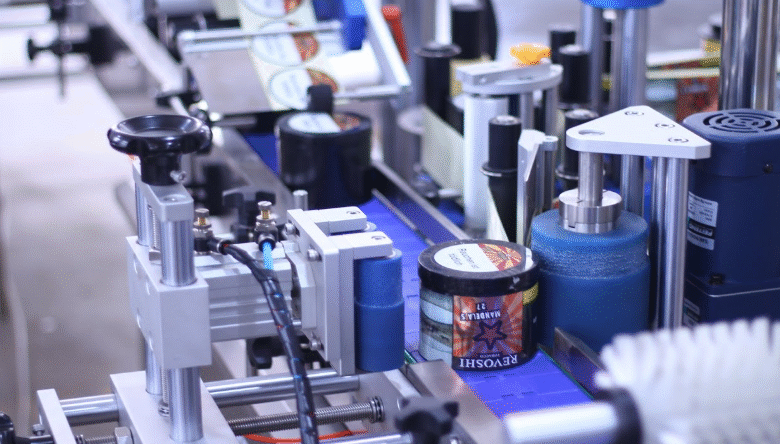
Tobacco products face some of the strictest packaging and labeling regulations of any consumer goods category, and shisha tobacco manufacturers need packaging equipment capable of meeting those requirements consistently, not just filling and sealing products. This guide walks manufacturers through the compliance considerations that should factor into a packaging machine purchase: labeling integration, traceability, and machinery safety standards so your equipment investment supports regulatory compliance rather than creating a bottleneck around it.
Why Compliance Should Shape Your Equipment Decision
Regulatory requirements for Shisha Tobacco Packaging Machine products vary significantly by country and region, but nearly all major markets require some combination of mandatory health warnings, ingredient disclosure, batch/lot traceability, and age-verification-related packaging cues, guided at an international level by the WHO Framework Convention on Tobacco Control. A packaging machine that can’t integrate the labeling, coding, or tamper-evidence features your target market requires creates compliance risk regardless of how well it performs the core fill-and-seal function.
See also: About Datrihelminen Life
Key Regulatory Considerations by Category
Health Warning Labeling
Most jurisdictions require specific health warning text, minimum size requirements, and sometimes graphic warnings to appear on tobacco packaging. Packaging machines with integrated print or label application systems need to support the specific format and placement rules of your target market.
Batch and Lot Traceability
Regulatory bodies in many regions require tobacco products to carry batch or lot codes for traceability purposes, supporting recall capability and supply chain verification. Confirm whether your packaging line includes integrated coding (inkjet, laser, or thermal transfer) or requires a separate add-on system.
Ingredient and Nicotine Content Disclosure
Depending on the market, packaging may need to disclose nicotine content, ingredient lists, or country-of-origin information, which affects label design and the print/label application capability required from your equipment. In the US, specific requirements for this disclosure are outlined by the FDA Center for Tobacco Products.
Tamper-Evidence and Child-Resistant Features
Some jurisdictions impose tamper-evidence or child-resistant packaging requirements on tobacco products. If applicable to your target market, this needs to be factored into both packaging format selection and the sealing/capping equipment’s capability to reliably produce compliant seals.
Machinery Safety Standards to Verify
Beyond product compliance, the equipment itself needs to meet workplace and machinery safety standards relevant to your manufacturing location:
| Standard/Certification | Region | What It Covers |
| CE Marking | European Union | Machinery safety, electromagnetic compatibility, and conformity with EU directives |
| UL Certification | United States/North America | Electrical safety testing and certification |
| ISO 12100 | International | General principles for machinery risk assessment and safety design |
| OSHA Compliance | United States | Workplace safety standards applicable to machine guarding and operation |
Questions to Ask a Supplier About Compliance
- Does the machine support integrated batch/lot coding, and what coding technologies (inkjet, laser, thermal transfer) are available?
- Can the labeling or printing system accommodate the specific health warning size and placement requirements for my target market?
- What machinery safety certifications does the equipment carry, and are they valid for the country where it will be installed?
- If my target market requires tamper-evident or child-resistant packaging, has this equipment been validated for that specific feature?
- Does the manufacturer provide documentation or validation support for regulatory audits or import compliance checks?
Building Compliance Into the Packaging Process
Confirm Target Market Regulations Select Packaging Format &MachineConfigure Labeling/CodingIntegrationValidate Machinery Safety Certification Run Compliance Test Batch Full Production with Ongoing Audit Checks
Machinery risk assessment principles outlined in ISO 12100 apply regardless of target market, making it a useful baseline reference even before layering on country-specific labeling and workplace safety requirements such as those enforced by OSHA in the US.
Common Compliance Mistakes to Avoid
Assuming One Labeling Configuration Works Globally
Manufacturers selling into multiple markets sometimes design labeling around their home market’s requirements, only to discover a different country’s health warning size or placement rules aren’t supported by the same equipment configuration. Confirm multi-market flexibility during the buying process if you plan to export.
Treating Traceability as an Optional Add-On
Batch and lot coding is often a regulatory requirement rather than a nice-to-have feature. Skipping it to reduce upfront cost can create compliance exposure that’s far more expensive to resolve after products are already in the supply chain.
Overlooking Machinery Safety Certification for the Installation Country
A machine certified for one region isn’t automatically valid in another. Confirm the specific certification (CE, UL, or equivalent) applies to the country where the equipment will actually be installed and operated, not just the manufacturer’s home market.
Balancing Compliance Cost Against Long-Term Risk
Building compliance capability into the original equipment specification generally costs less over the equipment’s lifetime than retrofitting it later. A machine purchased without integrated coding, for instance, may require a separate add-on system, additional floor space, and re-validation of the packaging line once compliance requirements catch up with production, costs that are avoidable when compliance is planned for from the start. This is particularly relevant for manufacturers entering new export markets, where labeling and traceability requirements may differ substantially from their home market’s rules.
Working With Suppliers on Compliance Documentation
Reputable equipment suppliers should be able to provide documentation supporting their machinery safety certifications and, where applicable, evidence of successful compliance validation for similar tobacco packaging applications. This documentation becomes particularly valuable during import compliance checks or regulatory audits, where having clear, supplier-provided validation reduces the burden of proving compliance independently. Manufacturers working with less established or lower-cost suppliers should weigh the potential compliance documentation gap against the upfront cost savings, since resolving documentation issues after installation is generally more time-consuming and costly than confirming this upfront.
Making Compliance Part of the Equipment Decision
Choosing a shisha tobacco packaging machine with compliance built in from the start rather than treated as an afterthought reduces both regulatory risk and the cost of retrofitting labeling, coding, or safety features later. Confirming target market requirements before finalizing equipment specifications, and validating the supplier’s documentation and certification claims directly, remains the most reliable way to avoid compliance issues surfacing after production is already underway.